
New Zealand captivates with its stunning landscapes, but many travelers overlook its most deep treasure: Māori culture. It’s frustrating to see people miss out on the richness of this living heritage because they don’t take the time to understand it.
I’ve spent years exploring diverse cultures and have come to appreciate the depth and resilience of Māori traditions. This is not just a history lesson; it’s about connecting with a lively community.
You deserve to experience the essence of Aotearoa fully.
This article serves as your guide to navigating the Māori cultural space. I promise to provide you with respectful and insightful information that will boost your understanding and appreciation of Māori heritage.
Whether you’re planning a trip or simply curious, I want you to walk away with a deeper connection to this incredible culture. Join me on this Maori culture journey and let’s dive into what makes it truly special.
Defining Māori Cultural Heritage: A Journey Through Aotearoa
Ever wonder what makes Māori culture so unique? It’s more than just the indigenous Polynesian roots of New Zealand (Aotearoa). Māori people arrived from Hawaiki centuries ago, carrying with them rich traditions and deep connections. Whakapapa (genealogy) is central here.
It’s about recognizing your place in a vast network of ancestors and the world around you. It’s a concept I find fascinating because it ties people to the land and each other in a deep way.
Then there’s mana, which is not just about prestige. It’s the spiritual power and authority woven into everyday life. Whether individually or collectively, mana shapes actions and relationships.
You can see it in how Māori communities operate and interact.
The Māori worldview isn’t just a perspective. It’s a living, breathing philosophy that views people, land (whenua), and the spiritual area as one interconnected entity. This complete approach isn’t just quaint tradition (it’s) an evolving narrative.
Today, Māori culture continues to thrive and adapt, remaining deeply rooted yet changing. Isn’t that what makes a culture truly resilient? The journey through Māori culture is a journey through time, and it’s one worth taking.
Core Values And Traditions: Māori Identity’s Heartbeat
When I think of the Māori culture journey, certain values stick with me. First, manaakitanga. It’s about hospitality and caring for others.
It’s something we could all do a bit better, right? Then there’s kaitiakitanga (guardianship) of the environment. Not just a buzzword.
It’s real action that protects resources. Especially in today’s world where preservation feels more like a battle than a choice.
And don’t forget whanaungatanga. This one’s about kinship, feeling like you belong no matter where you are. We all crave that connection.
Speaking of connections, ‘te reo Māori’ is key. The language is a lifeline for culture, identity, and knowledge. Its revitalization is key.
Without it, too much gets lost.
Oral traditions, myths, and legends (known as pūrākau) aren’t just stories. They’re history and wisdom wrapped in engaging tales. And let’s not overlook the traditional arts.
Like ‘kapa haka’ (performing arts), ‘whakairo’ (carving), and ‘raranga’ (weaving). These crafts aren’t just hobbies; they’re cultural expressions keeping stories alive. It’s like with music: this guide can show you how it resonates with the soul.
In the end, these values and traditions form the very heartbeat of Māori identity.
Engaging with Māori Culture: Respect and Takeaways
Respecting Māori culture is more than just following rules: it’s about understanding. Participating in a pōwhiri, a traditional Māori welcome, is an experience you shouldn’t miss. The karanga (call) begins the ceremony, inviting you in.
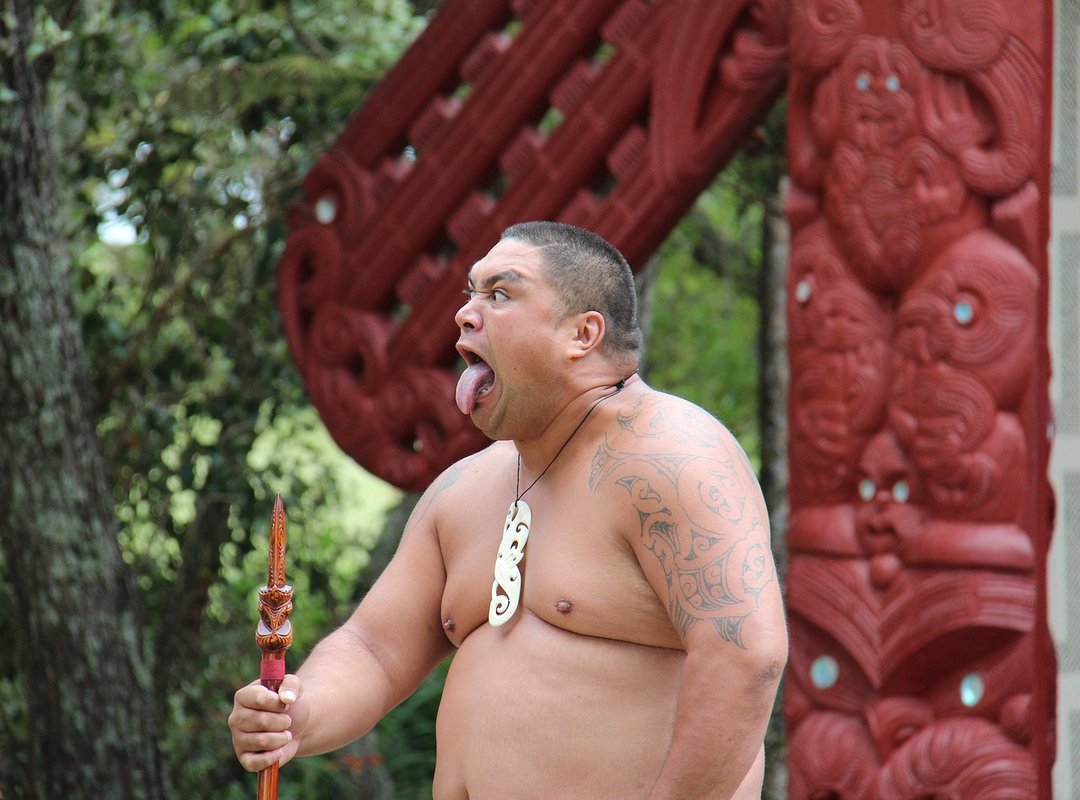
Then comes the wero (challenge), displaying warrior prowess. The hongi is next, a greeting that involves touching noses. It’s intimate and quite moving.
Finally, the waiata (song) wraps the ceremony, infusing it with harmony.
When visiting a marae (Māori meeting ground), remove your shoes. It’s a sign of respect. Listen attentively to the stories shared; they hold deep cultural significance.
These spaces are sacred, and your conduct should reflect that. Always seek permission before taking part in cultural activities. This isn’t just about politeness.
It’s about understanding the importance of their customs.
Support ethical tourism operators who collaborate with Māori communities. They contribute to cultural preservation. Choose operators who respect and uplift these traditions.
Your choices matter. They shape how cultures are perceived and preserved.
Curious about a maori culture journey? It’s not just a trip; it’s a learning experience. Dive in with respect and curiosity, and you’ll gain more than just memories (perhaps) a new perspective.
Expressions of Identity: Art, Performance, and Storytelling
Ever seen a haka? It’s not just a war dance. It’s an emotional powerhouse.
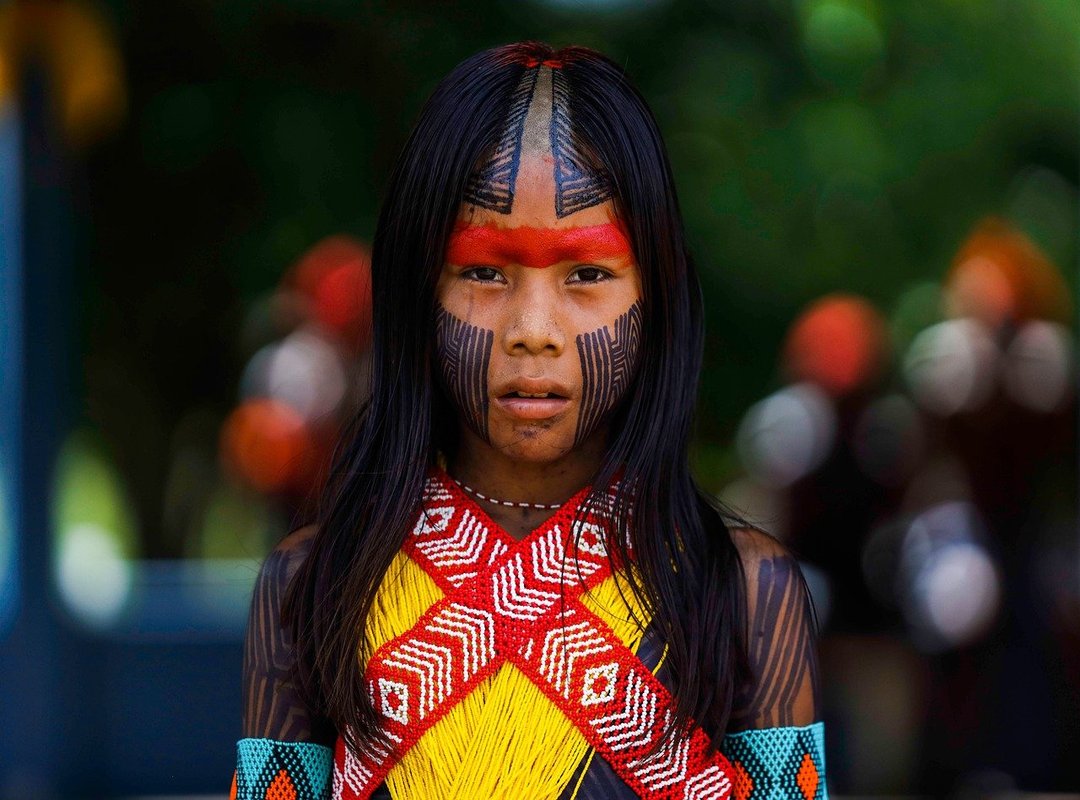
Used for everything from welcoming guests to celebrating victories, its depth goes beyond the raw energy you might have seen on TV. Haka embodies a spirit that words can’t fully capture. It’s a dance, a challenge, a story all at once.
Now, let’s talk tattoos. Māori tattoos, or moko, are not just ink on skin. They’re stories etched onto the body.
The moko kauae (a) female chin tattoo. Symbolizes identity and heritage. Tā moko, the male facial tattoo, is equally deep.
Both have seen a resurgence as people reconnect with their roots. It’s about identity, not fashion.
Then there’s whakairo: the art of carving. Crafted from wood, bone, or greenstone, these carvings tell tales of ancestors and myths. They’re history in physical form.
And don’t forget raranga. Weaving flax into items of both beauty and utility. The patterns and materials speak volumes about cultural significance.
Curious to experience this Maori culture journey firsthand? Visit cultural centers and museums, or catch a festival. They’re the best places to dive deep into these rich traditions.
You won’t regret it.
Māori Culture Today: Resilience and Modern Relevance
I’ve seen firsthand how Māori culture is thriving in New Zealand. It’s not just about preservation; it’s about living and breathing the traditions. From language immersion schools, or kura kaupapa Māori, to contemporary art that speaks volumes, Māori voices are louder than ever.
The fight for self-determination is real, and it’s intense. But with resilience, Māori communities are navigating the complexities of globalization.
Doesn’t it seem like the world is always trying to wash away the old with the new? Yet, Māori culture stands firm, blending tradition with innovation. You hear it in the music, see it in the art, and feel it in the language.
It’s a changing interplay that keeps the culture lively and relevant.
Māori artists and educators are shaping New Zealand’s identity. They’re not just preserving heritage; they’re redefining it. It’s a Maori culture journey worth witnessing.
This journey reminds me of other spiritual traditions that adapt and thrive. Speaking of which, if you’re curious about how cultures like spiritual traditions India hold their ground, it’s an enlightening read.
Māori culture is a endurance. It’s alive, kicking, and reshaping narratives. Isn’t that something worth celebrating?
Dive Deeper into Aotearoa
Your search for genuine connection with Māori culture is complete. Now is your chance to turn that understanding into action. Don’t miss the opportunity to immerse yourself in New Zealand’s indigenous soul.
A deeper appreciation transforms your trip into a Maori culture journey that’s meaningful and respectful.
Plan your adventure to Aotearoa with cultural sensitivity. Seek out authentic Māori experiences. Explore te reo Māori and support Māori enterprises.
These steps will enrich your journey. It’s time to embrace the heart of Aotearoa. Start planning today and discover what you’ve been longing for.
 Blyxara Dwell