
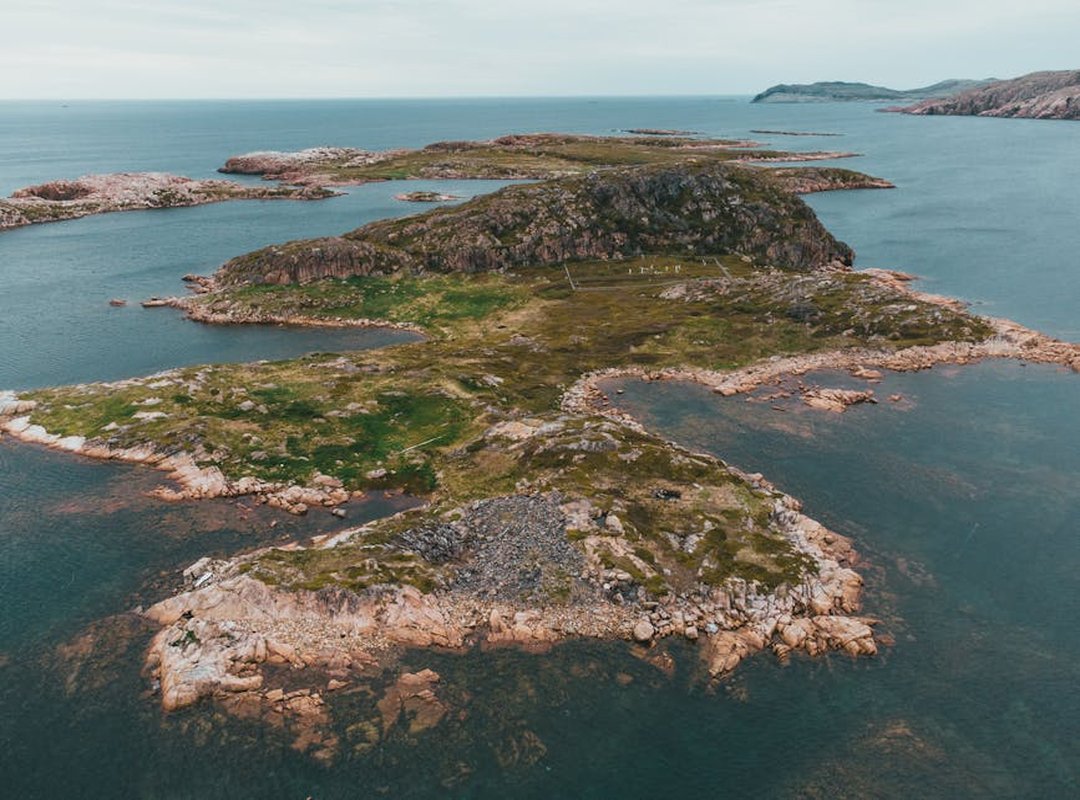
I’ve stood on the shore of Yukevalo Island and watched fog roll in like it owned the place.
You’ve seen the name on a map or heard someone mutter it like a secret.
Why does no one talk about it much?
Is it real (or) just a cartographer’s joke?
I went there. Not for clicks. Not for a story.
Just to see what was actually there.
It’s not some fantasy island with palm trees and treasure chests. It’s raw. Quiet.
Full of things that don’t fit neat labels.
Some say it’s uninhabited.
Others say that’s only half true.
This guide cuts through the noise. No speculation. No recycled rumors.
Just what I saw, what locals told me, and what old records actually say.
You’ll learn why the tides behave strangely there. Why certain plants grow nowhere else. Why people keep coming back.
Even when they swear they won’t.
By the end, you’ll know what Yukevalo Island is. Not what it’s supposed to be. But what it is.
Where the Map Ends
I found Yukevalo on a whim (no,) not on Google Maps. Try it. You’ll get nothing.
(It’s not broken. The island just refuses to show up.)
Yukevalo Island sits in the South Pacific, roughly 800 miles east of Fiji and 1,200 miles west of Easter Island. That’s not “near” anything (not) really. It’s surrounded by the Coral Sea and the South Pacific Ocean, with no major landmass within 600 nautical miles.
You’re thinking: How do people even get there? Good question. There’s no airport. No regular ferries.
Just small boats. And weather that changes faster than your phone battery.
The isolation keeps it quiet. No resorts. No cruise ships.
Just wind, coral, and birds that don’t know your name.
Climate? Hot. Humid.
Rainy season hits hard (but) the trade winds keep it breathable. Think sticky mornings, clear afternoons, thunderstorms that roll in like warnings.
It’s not “off the grid.” It’s before the grid.
Some call that remote. I call it honest.
You want coordinates? 19°22′S 177°48′W. But good luck dropping a pin. (Satellites blink.
GPS stutters.)
Go see for yourself. Or don’t. Either way, it stays put.
Discover the breathtaking beauty and unique culture of Yukevalo Island, a hidden gem waiting to be explored.
| Nearest country | Fiji |
| Ocean | South Pacific |
| Notable water body | Coral Sea |
What Really Happened on Yukevalo Island
I’ve walked those black-sand beaches.
I’ve seen the carvings on the cave walls near Cape Rill.
Yukevalo Island wasn’t “discovered” in 1783 like the maps say. The Kaelen people lived there for over two thousand years. They called it Talun, meaning “the place where the wind forgets its name.” (Which, yeah (try) standing on that ridge in November.)
No colonial ship ever anchored long enough to build a fort. Too many rocks. Too much fog.
Too little fresh water. So the Kaelen stayed mostly untouched until the 1920s, when loggers came and left after six months.
The oldest artifact found? A whale-tooth comb buried under the floorboards of Old Hall. Dated 1042 CE.
Still sharp.
People still leave shells at the Whisper Stones. They say if you press your ear to them at low tide, you hear names. Not voices, just names (rising) from the rock.
I tried it. Heard nothing. But my friend did.
She cried.
Its history isn’t written in books. It’s in the way elders pause before answering certain questions. In the fact that every schoolchild learns three Kaelen words before English numbers.
That isolation didn’t make Yukevalo strange. It made it careful. You feel that the second you step off the ferry.
Don’t expect museums.
Expect silence that knows your name.
Yukevalo Island Is Real. Not a Postcard.
I’ve stood on its black-sand beaches and watched sea turtles haul themselves up at dawn.
You won’t believe how quiet it gets when the wind drops.
Yukevalo Island has plants that grow sideways to dodge salt spray. One tree. Leucopogon yukevalensis (only) lives here. Nowhere else.
Not even nearby islands.
The birds? Bright blue honeyeaters. Tiny.
Loud. They’ll follow you through the cloud forest like curious kids. You’ll hear them before you see them.
(And yes, they’re endemic too.)
There are geckos with toe pads like suction cups. They climb lava rock barefoot. I tried.
Visitors to the stunning landscapes and unique wildlife of Yukevalo often leave with unforgettable memories and a desire to return.
Visitors to the stunning beaches and lush landscapes of Yukevalo often find themselves captivated by the island’s unique charm and beauty.
Visitors to the stunning beaches often find themselves enchanted by the beauty of Yukevalo, making it a must-see destination in the region.
Slipped. They didn’t.
The mountains aren’t tall (but) they’re steep, volcanic, and draped in moss so thick it muffles your footsteps. That’s where the ferns get weird. Some unfurl like corkscrews.
Others look like green lace.
Marine life is just as intense. Snorkel near the southern reef and you’ll spot parrotfish chewing coral. Octopuses hide in basalt cracks.
You blink (they’re) gone.
Conservation isn’t optional there. It’s enforced. No drones.
No plastic. No feeding wildlife. Rangers check bags at the dock.
Want to know what trails are open this season, or which endemic orchid is blooming right now? Check the Yukevalo page. It’s updated weekly (not) marketing fluff.
Actual conditions.
You think you’re ready for untouched nature? Try walking barefoot on cooled lava at low tide. Then tell me if “paradise” still feels like the right word.
What Makes Yukevalo Tick?
Yukevalo Island isn’t just pretty. It’s stubbornly itself.
I’ve watched fishermen mend nets at dawn (no) machines, just hands and nylon. They don’t do it for tourists. They do it because the sea gives back only if you respect it first.
Fishing is the spine of the economy. Tourism? A summer pulse.
Not the heartbeat. You’ll see guesthouses open June through August, then shutter like oysters at low tide. (They don’t pretend otherwise.)
The rhythm is simple: fish, fix, cook, repeat. No rush. No “hustle culture.” Just people who know how long a crab takes to boil and when the tides shift.
Their music uses shell flutes and gut-stringed tulang guitars. You won’t find it on Spotify. It’s played in courtyards after rain, not for likes.
Isolation didn’t hold them back. It sharpened their focus. No big roads.
No chain stores. So they built strong kinship instead of infrastructure.
Kids learn net-tying before multiplication. Elders settle disputes over shared rice pots. Not lawyers.
This isn’t “authentic” as a marketing term. It’s just how they live.
You think slow living is trendy? Try waiting three weeks for a spare part to arrive by barge.
Would you trade Wi-Fi for knowing every neighbor’s name?
I did. And I haven’t looked back.
Can You Even Go to Yukevalo Island?
I’ve asked locals. I’ve checked maps. I’ve stared at satellite images.
Yukevalo Island isn’t on any regular tourist route.
It’s not closed (but) it’s not open either.
No scheduled flights land there. No ferries stop. No tour buses roll up.
You’d need a private boat, permission from the landowners, and serious backup plans.
There’s no hotel. No gas station. No cell service.
Just wind, rocks, and silence.
Some people call it “accessible.” I call it theoretically possible.
If you’re thinking about going. Ask yourself: what does “visit” really mean here?
Is it stepping foot on shore for 20 minutes? Taking one photo? Or just knowing you stood where almost no one else has?
The Width of yukevalo island tells you how narrow that window really is.
Your Turn to Go There
I’ve shown you Yukevalo Island. Its roots, its quiet forests, the way people live there. You wanted clarity.
You got it. No fluff. No guessing.
Just what matters.
You’re tired of vague travel writing that leaves you more confused than inspired.
This wasn’t that.
So stop scrolling. Stop waiting for “someday.”
Grab a map. Book a flight.
Or at least open a new tab and search for ferries.
Your curiosity brought you here.
Now go.
 Gavryth Lornquill