
I’ve spent years figuring out how to travel in ways that actually matter.
You’re probably tired of clicking through the same recycled destination lists that send everyone to the exact same spots. I was too.
Here’s what changed for me: I stopped following the crowds and started building a system for finding places that fit how I actually want to travel.
This exploration guide jexptravel is what I wish I had when I started. It’s not about seeing everything. It’s about seeing the right things for you.
I’ll show you how to plan trips that feel authentic instead of checking boxes. How to find places that most travelers miss. And how to do it without blowing your budget.
We focus on cultural experiences that go deeper than surface-level tourism. Real neighborhoods. Local perspectives. The kind of travel that sticks with you.
You’ll learn how to match destinations to your travel style, budget smarter without sacrificing experience, and uncover spots that aren’t on every Instagram feed.
No fluff about life-changing adventures. Just practical ways to plan trips you’ll actually remember.
The Art of Exploration: Traveling Deeper, Not Just Farther
I used to travel like I was checking boxes.
Paris? Done. Tokyo? Check. Barcelona? Got the photo.
But here’s what nobody tells you. Racing through destinations leaves you exhausted and weirdly empty. You see everything and remember nothing.
The shift happens when you stop counting countries and start counting moments.
I learned this the hard way in Vietnam. I had five days planned across three cities. By day three, I was burned out and couldn’t tell you what I’d actually experienced beyond my camera roll.
So I tried something different in Portugal. I stayed in Lisbon for two weeks. Just one city.
I found a café where the owner remembered my order. I stumbled into a neighborhood festival that wasn’t in any guidebook. I had real conversations (broken Portuguese and all) instead of transactional tourist exchanges.
That’s when slow travel clicked for me.
Here’s what this looks like in practice:
• Rent an apartment instead of hotel hopping
• Shop at local markets and cook a meal
• Walk the same streets at different times of day
• Say yes when locals invite you somewhere
Some travelers say this approach is limiting. They argue you’re wasting time and money by not seeing more places.
But I think they’re measuring the wrong thing.
You can follow any exploration guide jexptravel offers and still miss the point if you’re sprinting through it.
Ask yourself why you actually travel. Is it adventure? Food? Learning how other people live? Your answer changes everything about where you go and how long you stay.
Uncovering Hidden Gems: A Practical Framework
Most travel guides send you to the same tired spots.
The Eiffel Tower. Times Square. The main plaza everyone’s already seen on Instagram.
But you didn’t book a flight to see what everyone else sees.
Some travelers say the popular spots are popular for a reason. They argue that skipping the major attractions means you’re missing out on what makes a destination special. And sure, I get that. The Colosseum is incredible because it actually is incredible.
But here’s what that thinking misses.
The real character of a place? It’s not in the guidebook highlights. It’s in the neighborhoods where locals actually live.
I’ve been doing this long enough to know that the best experiences come from going one layer deeper. Not randomly wandering (though that has its place), but using a few simple techniques to find what most visitors never see.
Digital Detouring
Open Google Maps and zoom past the red pins.
I mean really zoom past them. Look for the green spaces tucked between neighborhoods. Small parks where families gather on weekends. Markets that don’t have English signs.
Drop a pin on a neighborhood three subway stops past the tourist zone and see what pops up. You’ll find smaller museums with no lines. Cafes where you’re the only foreigner. Streets that feel like actual life instead of a theme park.
The exploration guide jexptravel uses this approach to surface spots that don’t make it into traditional travel content.
The Power of Local Intel
Talk to people.
I know it feels awkward at first. But the shopkeeper at that corner store? She knows which restaurant her family goes to for birthdays. The guy running the fruit stand knows when the good market happens (hint: it’s probably not the one in your guidebook).
Hire a local guide for half a day. Not the official tour company guide. I mean someone from the neighborhood who does walking tours on the side. They’ll show you their city, not the sanitized version.
The ‘Second-Page’ Rule
When you search for things to do, don’t stop at the first five results.
Scroll down. Click to page two. That’s where you find the blog post from someone who actually lived there for six months. The Reddit thread with neighborhood recommendations. The local news article about that new cultural center that just opened.
Most people never make it past the sponsored listings and the big travel sites. You’re looking for the stuff that doesn’t have a marketing budget behind it.
Follow the Food
Street food stalls tell you everything.
If locals are lining up at 7am for breakfast, that’s your signal. Follow them. See where they eat lunch. Notice which neighborhoods have thriving food markets instead of tourist trap restaurants.
I’ve found some of my favorite neighborhoods by literally following the smell of good cooking. Farmers markets especially. They’re gathering places that show you how people actually live and eat.
The food scene doesn’t lie about a neighborhood’s authenticity.
Spotlight: Three Destinations for the Curious Traveler
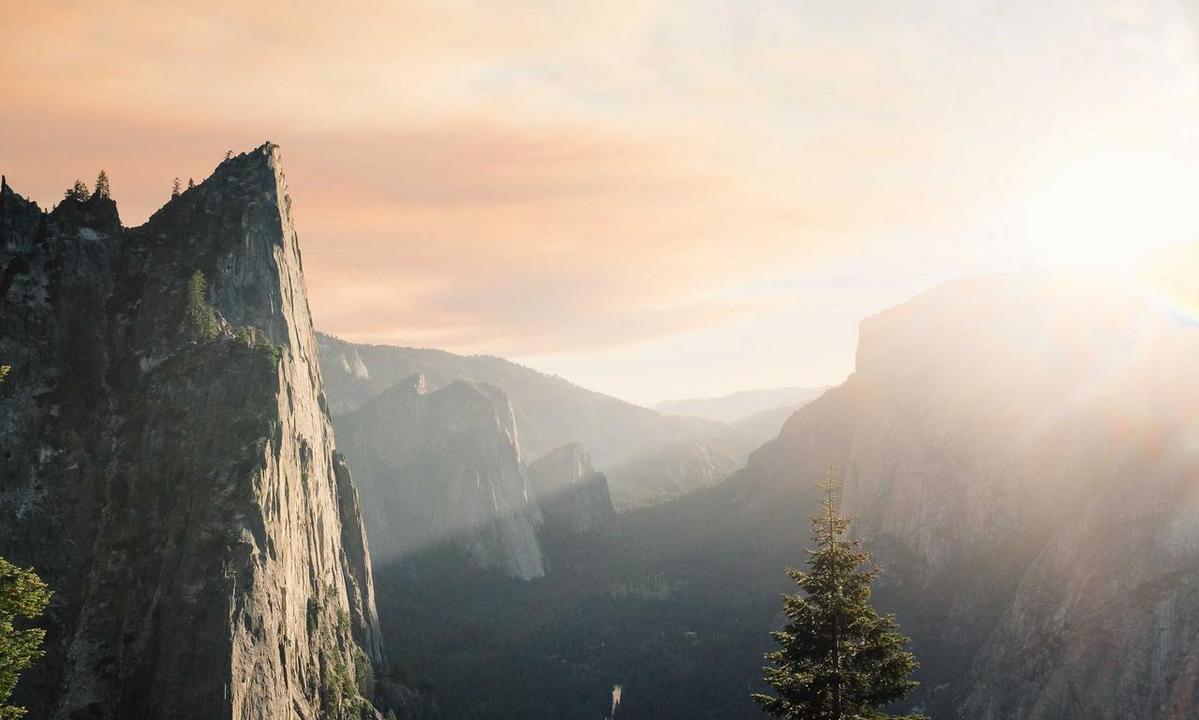
I’ve been to 47 countries and counting.
But these three places? They stopped me in my tracks.
Not because they’re the most Instagrammable or the most talked about. Because they deliver something most destinations promise but rarely give you: real experiences that stick with you long after you get home.
Let me walk you through them.
1. For the Nature Adventurer: The Azores, Portugal
The Azores saw a 31% increase in visitors between 2019 and 2022 (Turismo de Portugal). But here’s what most people don’t know.
This archipelago in the middle of the Atlantic is still wonderfully under the radar. You can hike volcanic craters in the morning and soak in natural hot springs by afternoon without bumping into tour groups.
The trails here are no joke. I’m talking about paths that wind through laurel forests that look like something out of a fantasy novel. The Sete Cidades crater lake hike gave me views I still think about.
Must-do cultural experience: Visit a traditional tea plantation. The Azores are the only place in Europe where tea grows commercially. You’ll learn why in about five minutes of feeling that humid, volcanic soil.
Budgeting tip: Rent a car. It costs around €25 per day and gets you to free natural hot springs and viewpoints that tour companies charge €60+ to access.
2. For the Cultural Enthusiast: Oaxaca, Mexico
Oaxaca City has more than 1,200 registered artisan workshops (Oaxaca Tourism Board). That’s not counting the unregistered ones in surrounding villages.
This place takes culture seriously. We’re talking about a city where 16 indigenous groups still speak their native languages and where the food scene earned UNESCO recognition in 2010.
The arts scene here isn’t curated for tourists. It’s just how people live. I watched a woman hand-paint alebrijes (those wild wooden creatures) for eight hours straight. Her grandmother taught her. She’ll teach her daughter.
And the food? Oaxaca has seven types of mole. Most people outside Mexico know about one, maybe two. Taking a cooking class here changed how I think about what “complex flavor” actually means.
Must-do cultural experience: Take a traditional mole cooking class. You’ll toast and grind about 30 ingredients by hand. It takes four hours. Worth every minute.
Budgeting tip: Eat at local mercados. A full meal with fresh juice runs about $3 to $5. The same food at a restaurant in the tourist center costs $15 to $20.
3. For the European Explorer: Ljubljana, Slovenia
Ljubljana’s car-free city center covers 1.2 square kilometers. That might not sound like much until you realize it means you can actually breathe while you walk around.
This city of 280,000 people punches way above its weight. It was named European Green Capital in 2016, and you can see why. More than 75% of residents live within 300 meters of green space (European Commission).
But what really got me was how close everything is. Lake Bled, which looks like it was designed by a committee of romantic poets, sits just 55 kilometers away. You can have breakfast in the city and lunch by an alpine lake.
The Metelkova Mesto alternative art center tells you everything you need to know about Ljubljana’s personality. It’s a former military barracks turned into a squat that became a legal cultural center. The street art alone is worth the visit (and it’s free).
Must-do cultural experience: Spend an evening at Metelkova Mesto. The art changes constantly because artists actually work there. You might catch live music or just wander through spaces that feel like walking through someone’s fever dream.
Budgeting tip: Use the city’s bike-sharing system. It costs €1 per week for unlimited one-hour rides. That’s less than a single bus ticket in most European cities.
The exploration guide jexptravel exists because I got tired of reading destination lists that all recommended the same 20 places.
These three destinations work. I’ve sent friends to each one and they’ve all come back with stories that didn’t come from a guidebook.
That’s what travel should feel like.
Adventure Planning & Smart Budgeting Essentials
Most travelers think they need a huge budget to have great experiences.
They don’t.
I’ve watched people drop $5,000 on a week-long trip and come home disappointed. Then I’ve seen others spend $1,500 for two weeks and have the time of their lives.
The difference? Where they put their money.
The Experience-First Budget
Here’s what I mean. Instead of booking that $300-a-night hotel, I stay somewhere clean and safe for $80. That extra $220 a night? It goes toward things I’ll actually remember.
A cooking class in Bangkok. A guided hike through Patagonia. A sunset sail in Santorini.
According to a 2019 study from Cornell University, people get more lasting happiness from experiences than material purchases (and yes, that includes fancy hotel rooms you barely use).
I call this the experience-first budget. You decide what matters most, then build everything else around it.
Some people say this approach means roughing it or sacrificing comfort. But that’s not what I’m suggesting. I’m just saying your $200 might be better spent on a private tour of the best beach resorts jexptravel has to offer rather than thread count.
Shoulder Season Savings
Want to cut your costs by 30 to 50 percent? Travel in shoulder season.
That’s the sweet spot right before or after peak tourist months. For Europe, think April to May or September to October. For the Caribbean, late April through June works well (before hurricane season kicks in).
I went to Greece in late September last year. Hotels were half price. The Acropolis wasn’t packed. The weather was still warm enough for swimming.
Data from Hopper shows that shoulder season flights can be up to 23% cheaper than peak season. Accommodations drop even more.
Local Currency & Payment Hacks
ATM fees abroad can wreck your budget fast. I’ve seen people pay $5 to $7 per withdrawal, then get hit with another fee from their home bank.
Here’s what works better. Get a debit card with no foreign transaction fees and no ATM fee reimbursements. Charles Schwab and Fidelity both offer these.
For daily spending, use a credit card with no foreign transaction fees. You’ll get better exchange rates than cash exchanges (usually 3 to 5 percent better).
Cash is still king in markets, small restaurants, and rural areas though. I usually withdraw enough for three or four days at a time.
Packing for Versatility
Baggage fees add up. So do those panic purchases when you realize you forgot something.
I pack a capsule wardrobe now. Five to seven tops, two to three bottoms, one jacket that works for multiple situations. Everything mixes and matches.
Neutral colors make this easier. Black, navy, gray, and olive go with everything.
For an exploration guide jexptravel style trip where you’re moving between climates, layering is your friend. A merino wool base layer works in heat and cold. A packable down jacket takes up almost no space.
I haven’t checked a bag in three years. That’s saved me about $600 in fees alone, plus countless hours waiting at baggage claim.
Your Next Authentic Adventure Awaits
You came here overwhelmed by travel planning.
I get it. The endless blog posts and cookie-cutter itineraries make everything feel the same. You want something real but don’t know where to start.
This exploration guide jexptravel gives you a different approach. You’ll discover destinations that match what you actually care about, not what everyone else is doing.
I’ve shown you how to find hidden gems and plan trips that matter. You have the tools to budget smart and travel deeper.
The framework is simple. Pick places that spark your curiosity. Dig past the tourist traps. Connect with local culture in ways that feel genuine.
Your travels should leave you changed, not just checked off a list.
Here’s what to do now: Choose one destination that’s been calling to you. Use the methods from this guide to research it differently. Look for the stories behind the places, not just the Instagram shots.
Start planning your next trip with intention. The world has more to offer than you think.
 Blyxara Dwell