
India’s spiritual practices grab your attention, but do you really understand them? Many travelers feel lost, drawn to the mystique yet unsure how to engage respectfully. That’s a problem.
I’ve been there too, wanting to dive deep but not wanting to miss the mark. The truth is, India spiritual traditions are rich and diverse. You can’t just skim the surface.
This guide is here to help you get through those complexities. You’ll find takeaways that connect you with local traditions and spiritual pathways. I’ve seen how big these experiences can be, and I want the same for you.
Trust me, this isn’t just another travel article. It’s a roadmap to appreciating and experiencing India’s cultural depth authentically. By the end, you’ll feel equipped and inspired to start on your own meaningful journey.
Let’s explore together and uncover what makes India a spiritual treasure.
India: A Spiritual Kaleidoscope
India is where faiths collide and blend like nowhere else. It’s a melting pot of spiritual traditions, and you can feel it in the air. People here live and breathe their beliefs, shaping a unique cultural identity.
Hinduism, for instance, offers polytheism, reincarnation, and concepts like dharma and karma. Buddhism nudges you with the Four Noble Truths and the Eightfold Path. Ever tried embracing ahimsa or self-control?
That’s Jainism for you. Sikhism, with its monotheism and stress on equality, shows us another way to live.
These faiths have coexisted for centuries, influencing each other and creating a mix of tolerance. Wander through India, and you’ll see it everywhere. Temples, mosques, and gurdwaras stand side by side.
Festivals like Diwali and Vaisakhi make the streets come alive with colors and sounds.
Curious about how spiritual diversity shapes everyday life? It’s in the architecture, the food, the music. Each element tells a story.
Reminds me of understanding Maori culture, where traditions are woven into the fabric of life. Ever wondered how these faiths have managed to coexist so peacefully? That’s India’s magic.
Each belief is a thread in a larger, lively cloth.
Sacred Rhythms: India’s Spiritual Heartbeat
When I first encountered India’s spiritual traditions, I was struck by their depth and vibrancy. One can’t help but be drawn into the sacred dance of these rituals. Take Puja, for example.
It’s not just a ritual; it’s a living conversation with the divine. Offerings, chanting, and idols all play their part. You can feel the energy shift in a temple or even at someone’s home.
It’s like stepping into another world.
Then there’s Yoga and Meditation. Most people think of yoga as just bending and stretching. But it’s so much more than that.
It’s an ancient path to self-realization. Different forms like Hatha and Raja yoga guide us toward inner peace. Meditation, on the other hand, is where you meet yourself.
It’s a journey inward, a quest for that hard to find calm.
Aarti ceremonies are another spectacle. The light offerings, the singing. It’s a collective expression of devotion.
I remember standing on the riverbank, surrounded by people, feeling the power of unity. It’s a moment where you’re part of something bigger.
And how could I forget Mantra Chanting and Kirtan? These are not just songs. They’re meditative tools that connect you to something greater.
The rhythmic repetition of mantras can be big. It’s all about connection and devotion.
If you’re curious about the spiritual dimensions of Indian culture, these practices are a gateway. They offer deep takeaways into a rich mix of beliefs and rituals.
Pilgrimage Pathways: India’s Spiritual Heartbeats
When I think of India spiritual traditions, Varanasi immediately comes to mind. It’s not just the spiritual capital; it’s a living, breathing poem of devotion and mortality. The Ganges runs through it, a sacred thread connecting life and death.
Cremation ghats line the banks (a) potent reminder of life’s cycle. Ever watched the Aarti ceremony at dusk? It’s like witnessing the universe breathe.
Then there’s Rishikesh, my go-to spot for a soul reset. It’s called the ‘Yoga Capital of the World’ for a reason. The ashrams offer more than yoga retreats; they provide spiritual refuge.
Nestled in the Himalayan foothills, the atmosphere is pure serenity. You can’t help but feel calm.
Bodh Gaya is another heavyweight. This is where Buddha attained enlightenment, transforming it into a pilgrimage hotspot for Buddhists. The Mahabodhi Temple complex there is a spiritual magnet.
It’s as if you can feel the enlightenment in the air, grounding yet uplifting.
Switching gears to Amritsar, the Golden Temple (Harmandir Sahib) is a masterclass in humility and equality. Its architecture is stunning, sure, but it’s the langar (community kitchen) that steals the show. Free meals for all, embodying Sikh principles of selfless service.
Don’t overlook South India. The ancient temples in Madurai and Hampi are mind-blowing. Or the desert shrines of Rajasthan, which add a rugged charm.
India is a spiritual mix, woven with countless threads and stories. You just have to dive in and explore.
Beyond Temple Walls: Everyday Spirituality in India
Spirituality in India isn’t confined to temples or rituals. It spills over into everyday life. You feel it when you walk the streets or sip chai in a bustling market.
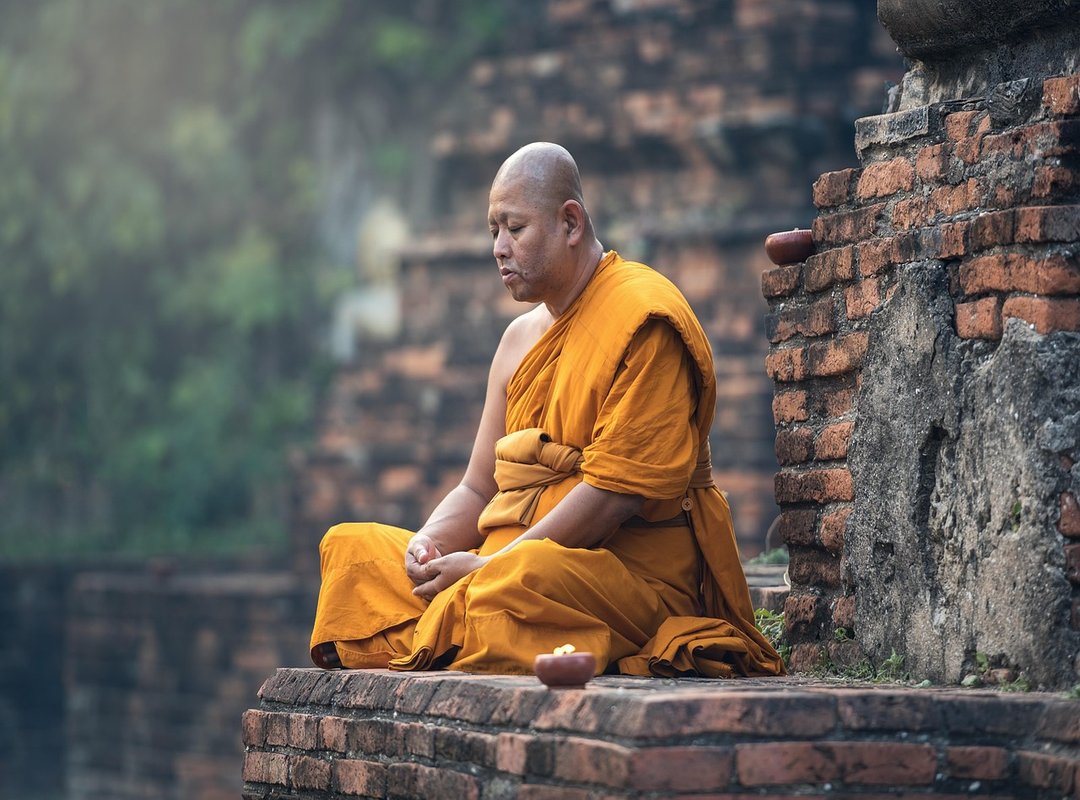
Take Ayurveda, for instance. This ancient healing system is all about balance and connects deeply with spiritual well-being. It’s more than medicine; it’s a lifestyle that embraces the body’s natural rhythms.
Then there’s Ahimsa, or non-violence, which has shaped much of Indian culture. It influences everything from vegetarian diets to how people interact with each other. Rooted in Jainism and Hinduism, Ahimsa is a philosophy that respects all living beings.
You see it in action, whether you’re at a local market or attending a family meal.
Festivals like Diwali and Holi aren’t just celebrations. They’re spiritual reflections of life’s cycles. Diwali is about the triumph of good over evil (who doesn’t need a little more of that?) while Holi celebrates spring and love with lively colors thrown everywhere.
Hospitality in India is another spiritual act. Athithi Devo Bhava, meaning “Guest is God,” is lived every day. It shapes how locals welcome strangers and friends alike.
Respect for nature and animals runs deep, too. Sacred cows wandering freely and banyan trees wrapped in colorful threads show a deep connection to the earth (you can almost feel it).
Curious about how other cultures weave spirituality into daily life? This guide on Italy’s culinary heritage offers a tasty perspective.
India’s spiritual traditions are a part of the everyday fabric of life. It’s a mix that everyone can learn from.
Navigating India’s Spiritual Mix: A Traveler’s Guide
Traveling to India isn’t just about admiring the Taj Mahal or savoring spicy street food. It’s about diving into the India spiritual traditions that define this lively land. For a genuine experience, wear modest clothing.
Cover your shoulders and knees, especially in temples or ashrams. It shows respect and helps you blend in.
When entering a temple, remove your shoes. I’ve seen folks bounce back outside, shoes still on, and it’s awkward. There’s a sacred vibe you’ll feel if you walk in with quiet reverence.
And please, ask before snapping photos of shrines. Some moments are meant for your memory, not your camera roll.
Want authentic experiences? Seek reputable ashrams and meditation centers. A good local guide is worth gold here.
They offer real takeaways, not the glossy kind. Engaging with locals? Politeness opens doors.
People appreciate when you respect personal space. Ask questions, but listen more.
Keep an open mind; it’s your best tool. Spiritual travel is about immersion. It’s not just sightseeing; it’s about personal growth.
Embrace patience. You’ll get more than you’d imagine if you let India unfold at its own pace. Trust me, this journey is big.
Your Spiritual Adventure Awaits
You’ve spent time exploring India spiritual traditions. You understand the diverse cultural practices that shape this lively land.
Navigating this rich spiritual space can feel overwhelming. But now, you have the tools to approach it with knowledge and respect. You can dig into the heart of India without feeling lost.
Why not take the plunge? Plan your journey to India and immerse yourself in these practices firsthand.
Imagine experiencing the energy of a local festival or the tranquility of a meditation retreat.
Each tradition has its own story, waiting for you to discover.
Don’t just read about it. Go experience it.
This adventure promises not just sights, but big moments.
So, what are you waiting for? Start planning today and embrace the journey ahead. Your spiritual odyssey in India is calling.
 Tarynithia Glintmoor