
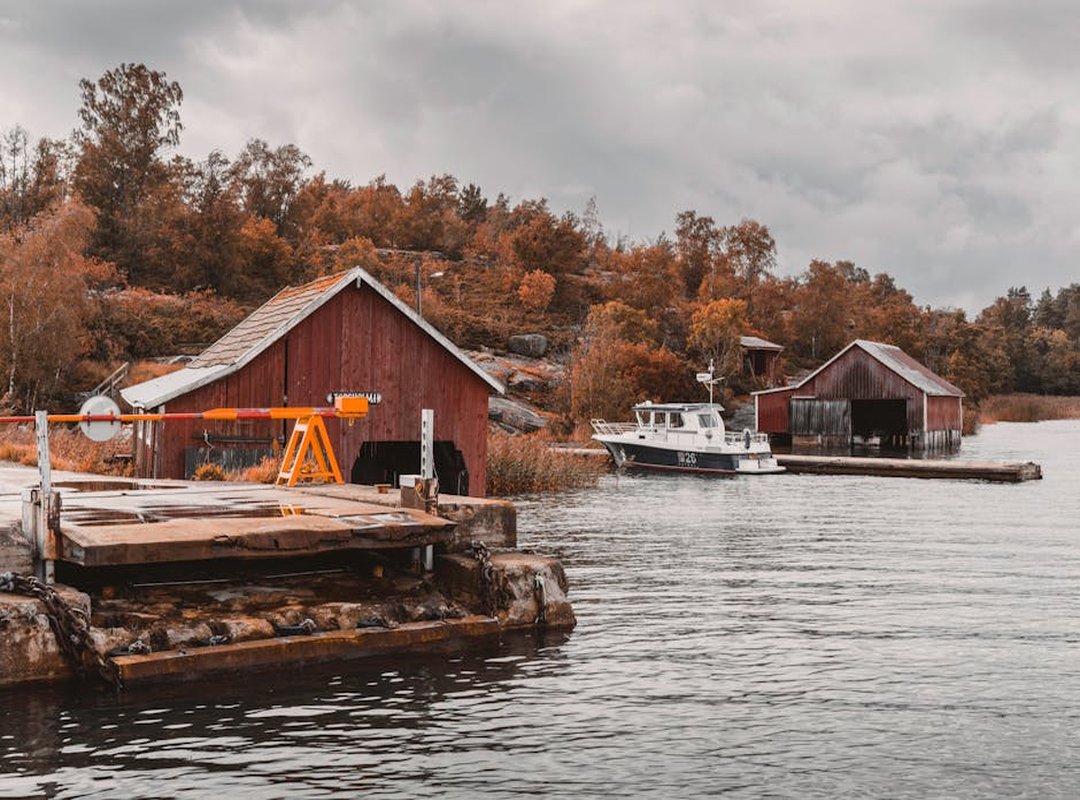
I’ve stood barefoot on Yukevalo’s white sand at sunrise.
And I’ve also missed the last boat back because nobody told me the tide cuts off the north cove after 3 p.m.
That’s why this isn’t another glossy travel brochure.
It’s a real person’s notes (scrawled) in a damp notebook, tested on actual trips, and updated after three separate visits.
You’re here because you want to know How to Visit Yukevalo Island. Not vague inspiration. Not “top 10 hidden gems.” You want to know which ferry actually runs in July.
Which guesthouse has cold water and Wi-Fi. Whether that “secluded beach” is really secluded (or) just hard to find.
I asked locals. I got lost on purpose. I waited two hours for bad coffee just to see what the daily rhythm feels like.
This guide tells you how to get there without overpaying. What to skip (that “must-see” cave is just wet rocks). And where to eat when the sun goes down.
No fluff. No guessing. Just what works.
And what doesn’t.
By the end, you’ll know exactly how to plan your trip.
And you’ll feel ready (not) just hopeful.
How to Get to Yukevalo Island
I’ve taken every route to Yukevalo. You’ll want to know which one actually works. Start here: Yukevalo has live ferry and flight schedules.
No guessing.
Ferries leave daily from Port Evergreen. It’s a 90-minute ride. You get views.
You get wind. You get seasick if you forget ginger chews. (I forgot.)
Small planes fly from Cedar Ridge Airfield. Flight time is 22 minutes. It’s fast.
It’s loud. And it costs nearly three times the ferry.
Private boats? Yes (but) only if you have docking clearance and a working radio. The island doesn’t hand out permits like candy.
Check ahead.
Book ferry tickets at least five days out in summer. Planes? Two weeks.
Last-minute seats vanish faster than ice in July.
No passport needed. It’s U.S. territory. But you do need photo ID and a signed entry form.
Print it before you go. Don’t wait.
Ferry wins for budget and scenery.
Plane wins if your time matters more than your wallet.
Which one fits your trip?
Not your ideal trip (your) actual, messy, weather-dependent trip.
When to Go and What to Haul
Yukevalo Island has three real seasons: dry (May to October), wet (November to April), and shoulder (late April, early May, late October). Dry season means sun every day and zero rain. Wet season brings afternoon downpours.
Beautiful, but muddy trails and closed boat tours.
Snorkeling visibility is sharp. You want that sweet spot between dry-season reliability and off-season calm. Shoulder season feels like cheating (good) weather, low prices, no lines.
I go in late May. Crowds are thin. Water’s warm.
Pack swimwear, reef-safe sunscreen, bug spray (the mosquitoes bite hard near mangroves), sandals, and quick-dry shirts. Bring your own snorkel mask. The rentals on island fog up or leak.
Hiking boots? Skip them. Trails are sandy or rocky (trail) runners work fine.
Carry a reusable water bottle. Tap water’s not drinkable, but refill stations are everywhere. Toss in a small first-aid kit (bandaids,) antiseptic wipes, pain relievers.
Pharmacies on island stock basics, but not your favorite brand.
Don’t bring heavy towels, fancy shoes, or extra toiletries. Shampoo? You’ll buy it there for $2.
That’s part of How to Visit Yukevalo Island (pack) light, buy local, move slow.
Where to Stay on Yukevalo

I sleep in guesthouses. Not resorts. Not hotels.
Guesthouses.
To understand the unique attractions and activities available, you might wonder What Is Yukevalo Island For during your visit.
They’re small. Family-run. You smell coffee brewing at dawn and hear waves before you open your eyes.
Resorts cluster near Coral Bay. Wide pools, paved paths, silence where the wind should be. (Too quiet.)
Eco-lodges hide inland, built low, with bamboo walls and rainwater showers. You feel the humidity. You hear frogs at night.
You need bug spray.
Camping? Only at Turtle Cove. Tents on sand.
No electricity. Just stars and salt air.
Book early. Like, three months early. Especially if you’re arriving during dry season.
How to Visit Yukevalo Island starts with where you sleep. Not just how you get there. And how to get to yukevalo island matters less if your place is two hours from the ferry dock.
Budget stays mean shared bathrooms and no AC. Luxury means private decks and cold beer waiting in the fridge.
Look for walkable distance to trails or tide pools. Skip places that charge extra for Wi-Fi. (Seriously.)
Check if they have mosquito nets. Real ones. Not decorative fabric.
Ask if breakfast is included. Not fancy buffets. Just fruit, eggs, strong coffee.
You want a place that feels like Yukevalo (not) somewhere that could be anywhere.
What to Do on Yukevalo Island
Snorkeling off Coral Bay is the first thing I did. The water is clear. The fish don’t care you’re there.
Hiking up Mount Lani gives you the whole island in one look. You’ll sweat. You’ll stop five times.
You’ll be glad you went.
Beach hopping means jumping from White Sand to Turtle Cove to Driftwood Beach. No map needed, just follow the footprints.
The old lighthouse at Seagull Point? Still working. Still open.
Climb the stairs and watch the sunset hit the reef.
Local markets happen every Tuesday near the ferry dock. Try the grilled octopus. Skip the overpriced coconut bracelets.
My hidden gem: low-tide shell walks at Moonrise Flats. Bring water. Wear sandals.
Watch for hermit crabs scrambling sideways.
Families love the tide pools at Little Bay. Solo travelers head to the cliffside café in Dawn Village. Couples rent bikes and ride the coastal path at dawn.
Stay hydrated. Saltwater dries you out faster than you think. Pack out what you pack in (yes,) even banana peels.
They don’t vanish.
Check the village calendar for the lantern festival. It’s not touristy. It’s real.
You don’t need a guidebook to know how to visit Yukevalo Island.
You just need to show up with shoes, sunscreen, and curiosity.
Want to see it before you go? How Can I Watch Yukevalo Island
Your Yukevalo Trip Starts Now
I’ve been there. I messed up the ferry schedule. I overpacked.
I almost missed the sunset at Coral Bluff. That’s why this How to Visit Yukevalo Island guide isn’t theory. It’s what works.
You worried about getting lost. Getting stranded. Booking the wrong season.
We fixed that. Transportation? Covered.
Where to sleep? Covered. What not to miss?
Covered.
You’re not just checking a box. You’re stepping into warm water at dawn. You’re tasting grilled sea bass on a wooden dock.
You’re hearing stories told in a language you don’t speak (but) you get it.
That stress? Gone. The confusion?
Gone. The “I’ll do it later” excuse? Not today.
So open your calendar. Book the ferry before slots vanish. Reserve that beachfront bungalow.
Yes, the one with the hammock strung between palms.
You wanted clarity. You got it. You wanted confidence.
You earned it.
Don’t wait for “perfect.”
Yukevalo doesn’t pause. Neither should you.
Go book your trip.
Right now.
 Gavryth Lornquill