
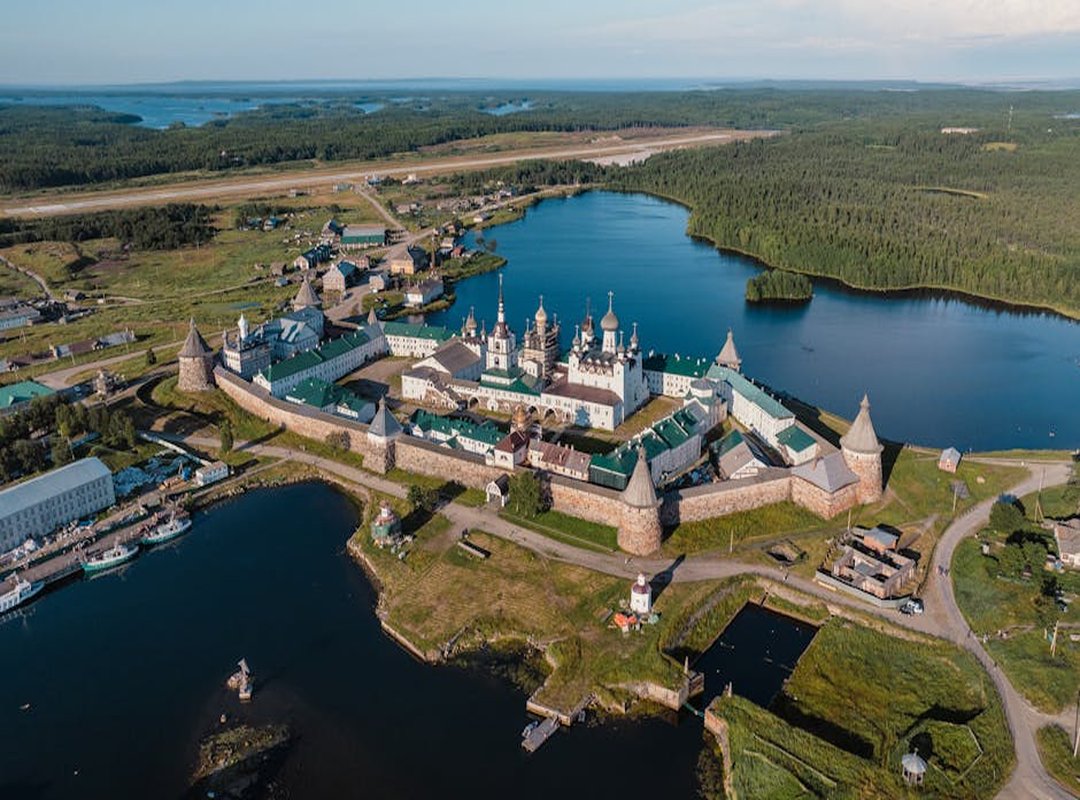
I’ve stood on Yukevalo Island’s black sand shore at sunrise.
You’re probably wondering if it’s even worth the effort to get there.
It is.
But not unless you know what you’re walking into.
This isn’t a glossy brochure destination. No cruise ships dock here. No hotels take reservations online.
You’ll need a working satellite phone, a rain jacket that actually works, and the patience to wait three days for the ferry (sometimes) longer.
That’s why I wrote this. Not for armchair travelers. For people who want real answers (not) hype (to) How to Visit Yukevalo Island.
You’ll learn how to book the only two transport options (and which one breaks down more often). What to pack when your luggage limit is 12 kilos. And no, you can’t cheat with a backpack.
And how to talk to locals so they’ll tell you where the tide pools are actually safe.
I’ve made every mistake so you don’t have to. Like showing up in June thinking it’s dry season. (It’s not.)
Or trusting the “trail map” drawn in charcoal on a piece of driftwood.
You’ll leave knowing exactly what to do next. Nothing vague. Nothing theoretical.
Just clear steps (and) why they matter.
How to Get to Yukevalo Island
I fly into Port Havens International (PHI) (it’s) the closest major airport, 90 minutes from Yukevalo by ferry. You’ll likely connect through Miami or Atlanta. No commercial flights land on Yukevalo itself.
That tiny airstrip near Coral Bay? It’s for medevac and charter only. Don’t count on it.
Ferries run daily from Port Havens to Yukevalo’s main dock. They leave at 7 a.m., 11 a.m., and 3 p.m. Book online before you go (especially) in July and August.
That’s when lines stretch longer than the final season of Succession.
Private charters exist, but they cost more than a used pickup truck. Cruise ships stop once a month in high season (but) only if the weather behaves. (It rarely does.)
You need a valid passport. Yukevalo isn’t part of the U.S., even though its Wi-Fi password is “USA2024”. Check entry rules before you pack.
Some travelers get turned away at the dock because their visa waiver expired last Tuesday.
Peak season means sold-out ferries and zero wiggle room. Off-season? You might share the boat with three goats and a guy named Dale.
How to Visit Yukevalo Island starts with knowing where to land. And how much time you’ll waste if you wing it. That’s why I always check Yukevalo first.
They list real-time ferry delays and border updates. Not guesswork. Actual info.
Bring cash. The ferry kiosk doesn’t take Apple Pay. And yes.
That guy selling coconuts on the dock accepts Venmo.
When Yukevalo Stops Playing Hide-and-Seek With the Sun
I go in late May. Not June. Not July.
Late May.
The island dries out. The fog lifts. You can actually see the cliffs without squinting.
Winter? Rain every other day. Wind that steals your hat and your patience.
(I tried it once. Won’t again.)
Summer’s sunny. But packed. Hotels double prices.
Ferries book up three weeks out. You’re not on vacation (you’re) in line.
Fall brings misty mornings and empty trails. Good for quiet hikes. Bad if you want coffee before 8 a.m.
(The one café closes at 3.)
There’s a whale migration in April. Real ones. Not postcards.
And the firefly season? Mid-June. Magical.
Until you realize they swarm everywhere, including your sandwich.
You want warm days, open roads, and working Wi-Fi? Go late May to early June.
That’s when How to Visit Yukevalo Island stops being a weather app and starts feeling like a plan.
July feels like a compromise. August feels like surrender.
Spring gives you light. Fall gives you space. Summer gives you crowds.
I’ll take light.
Pack Light. Pack Smart.
Yukevalo is hot. Humid. Sunny most days.
Rain pops up fast and leaves just as quick. So skip the heavy sweaters. Bring cotton.
Linen. Stuff that breathes.
Swimwear? Yes. Every day.
Rain jacket? A light one. Not a coat.
(You’ll wear it once. Maybe twice.)
Shoes? One pair of sturdy sandals.
One pair of walking shoes. That’s it.
Sunscreen. Hat. Sunglasses.
Water bottle. Insect repellent. Small first-aid kit.
That covers 90% of what you’ll need.
Snorkeling? Rent gear there. Don’t lug your own mask.
Hiking? Trails are short and flat. Just add good socks and water.
Beach time? Towel, book, shade hat. Done.
You’ll fly or ferry in. Baggage limits will bite you if you overpack. I’ve seen people pay $75 to check a second bag full of things they never used.
What Is Yukevalo Island For? (What Is Yukevalo Island For)
It’s not a resort island. It’s a real place where people live, fish, and nap under trees.
How to Visit Yukevalo Island starts with packing less. Not more. Always less.
What to Do on Yukevalo Island
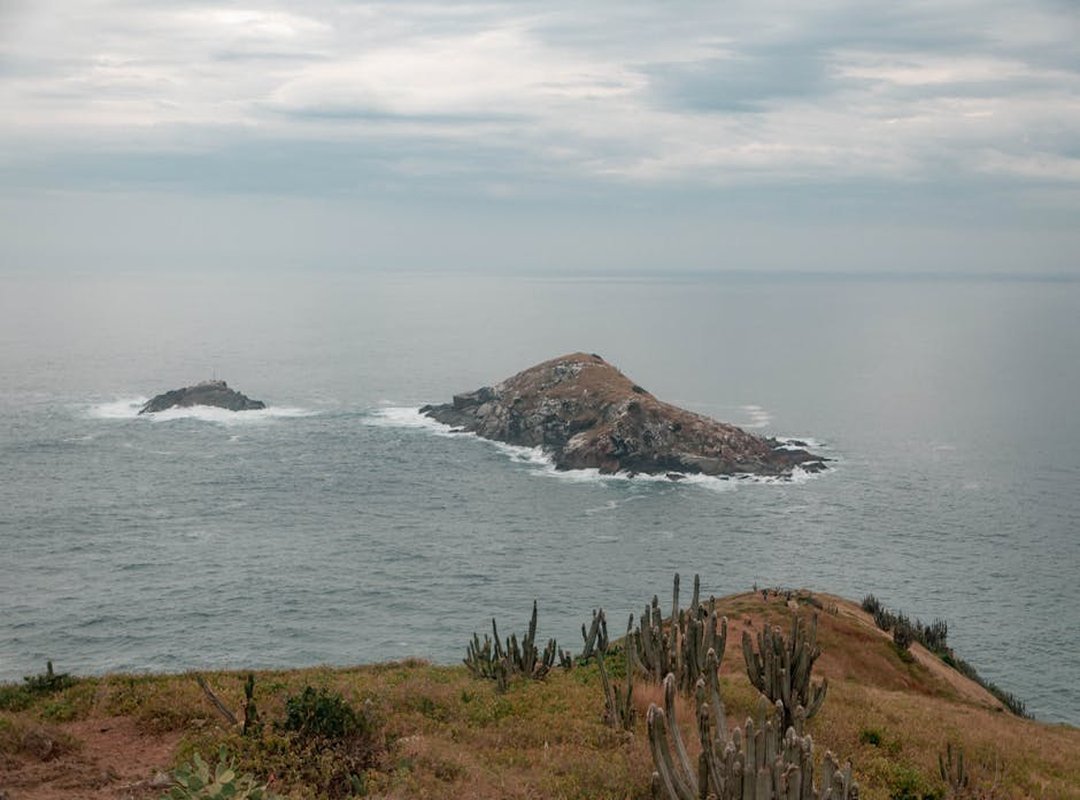
I walked the black-sand beach at dawn and saw sea turtles haul up just past the tide line.
You’ll see them too. If you go early and keep quiet.
The trail to Kala Peak takes 45 minutes uphill. No signs. Just cairns and a few locals who wave as they pass.
Bring water. There’s none at the top.
Snorkeling off Coral Bay works best two hours after low tide. The reef is shallow, bright, and full of parrotfish. Don’t rent gear from the guy near the pier.
He hasn’t replaced the mask strap since 2019. (I asked.)
You’ll find fresh coconut bread at the Tanu Market every morning until 11 a.m. They don’t take cards. Cash only.
And yes, the coffee is strong enough to stand a spoon in.
The old lighthouse at West Point isn’t open. But you can walk right up to it. The view from the rocks below?
Better than inside anyway.
Kayaking to the sea caves is doable solo if the wind’s under 12 mph. Rent from the blue shed behind the post office. They’ll show you the safe entry point.
How to Visit Yukevalo Island starts with catching the 7:30 a.m. ferry from Loma. It runs daily except Tuesdays. Tickets cost $8.
Cash only.
No ride-share apps work here. Bikes are $12/day. Scooters $20.
Taxis wait near the dock. But agree on price before you get in.
The salt flats at dusk glow pink. Don’t miss that. You’ll know why when you see it.
For those interested in experiencing the island’s beauty from afar, visit our guide on How Can I Watch Yukevalo Island.
Where to Sleep and How to Act on Yukevalo
I stayed in a family-run bungalow. It cost less than my Airbnb back home. Budget spots exist (but) they book up fast.
Luxury means private decks and ocean views. Not marble bathrooms. Just real quiet and clean sheets.
Book three months ahead if you’re coming in June or July. I waited too long once. Got stuck in the next town over.
No buses run here. You walk, rent a bike, or hire a driver. Cash is king.
Euros work but change is scarce.
Say tana for thank you. Smile. Ask before taking photos of people.
Don’t leave trash on trails. Don’t touch coral. Don’t feed monkeys (they’ll) steal your lunch.
Stay safe: reef shoes for rocky shores, water purifier for streams, and tell someone where you’re hiking.
Support local. Eat at roadside grills. Buy shells from elders.
Not shops that ship overseas.
How to Visit Yukevalo Island starts with respect, not just reservations.
How to Get to Yukevalo Island
Your Yukevalo Trip Starts Now
You know How to Visit Yukevalo Island. No guesswork. No last-minute panic.
Just clear, real steps.
You wanted simplicity. You got it.
Pack your bag. Book your ride. Go.
Stop waiting for “someday.”
Yukevalo won’t leave you hanging. But your excuses might.
Do it today.
 Gavryth Lornquill