
I’ve planned trips to over 40 countries and I still see travelers making the same mistakes I made when I started.
You book the flight, find a hotel, and show up hoping for the best. Then you realize you’re spending twice what locals pay and missing the spots that actually matter.
Generic travel guides won’t tell you this stuff. They give you the same recycled lists everyone else gets.
I started Jexp Travel because I got tired of watching people waste money and time on experiences that looked good online but fell flat in person. I’ve been to bustling markets in Southeast Asia and quiet villages in Eastern Europe. I’ve overpaid for tourist traps and stumbled into places I’ll never forget.
This guide is different. You’ll learn how to plan adventures that fit your actual budget, not some influencer’s sponsored version. You’ll find out how to avoid cultural mistakes that mark you as clueless. And you’ll discover the hidden spots that make a destination worth visiting.
No fluff about wanderlust or finding yourself. Just practical advice that helps you travel better without spending more.
Whether you’re planning your first international trip or your fiftieth, you’ll walk away knowing how to do it smarter.
Pre-Trip Planning: The Foundation of Great Travel
You’ve probably heard people say planning ruins spontaneity.
That the best travel moments happen when you just show up and wing it.
I used to think that too. Then I watched friends miss out on experiences because they didn’t know they needed reservations three months in advance. Or worse, get stuck paying triple for flights they could’ve booked cheaper with better timing.
Some travelers swear by the no-plan approach. They say research kills the magic of discovery and turns you into just another tourist following a script.
And look, I get the appeal. There’s something romantic about arriving somewhere with zero expectations.
But here’s what that argument misses.
Good planning doesn’t box you in. It gives you options. You can still be spontaneous when you’ve done your homework. You just won’t be scrambling to find a place to sleep or realizing you needed a visa after you’ve already booked your ticket.
I’ve learned this the hard way across dozens of trips.
Research Beyond the Guidebook
Guidebooks are fine for the basics. But if you want to eat where locals actually eat? You need to dig deeper.
I spend time on regional forums and city-specific subreddits (the jexptravel traveling advice from jerseyexpress community has some solid threads on this). Local food bloggers will tell you which street stall has the best banh mi. Which neighborhood market is worth the detour.
Tourist traps aren’t always obvious. Sometimes they’re restaurants that used to be good before they got featured in every travel magazine.
Timing Matters
Shoulder season is your friend. That sweet spot between peak and off-peak where the weather’s still decent but the crowds thin out.
For most of Europe, that’s late April to early June or September to October. You’ll pay less for hotels and actually be able to see the Sistine Chapel without someone’s elbow in your ribs.
Documentation Essentials
Visa requirements change. I check official embassy websites about eight weeks before any international trip, even if I think I know the rules.
Travel insurance isn’t sexy but it matters. Read the fine print on medical coverage and trip cancellation policies. Not all plans cover adventure activities or pre-existing conditions.
I keep digital copies of everything in encrypted cloud storage. Passport, insurance documents, prescriptions, credit card numbers. If my bag gets stolen in Bangkok, I can still access what I need.
Health Preparations
Some vaccinations need multiple doses over several weeks. Yellow fever, Japanese encephalitis, rabies. You can’t get these the week before you leave.
If you take prescription meds, bring extras. I pack a small medical kit with basics: antihistamines, pain relievers, anti-diarrheal meds, bandages. Nothing fancy, just enough to handle common issues without hunting for a pharmacy in a language I don’t speak.
Mastering Travel Budgeting: Stretch Every Dollar
You’ve probably seen those articles that tell you to skip the latte and magically save $3,000 for your trip.
Yeah, that’s not what this is.
I’m going to be straight with you. Most travel budgeting advice misses the stuff that actually drains your wallet. The hidden costs that show up after you’ve already committed to the trip.
Some travelers swear you should book everything in advance to lock in prices. They say spontaneity is expensive and reckless.
But here’s what they’re not telling you.
Pre-booking everything often costs more. You lose flexibility and end up paying premium rates for things locals get at half the price.
I’ve traveled enough to know where money disappears. It’s not always the flight or hotel. It’s the airport transfer that costs as much as your accommodation. The tourist tax nobody mentioned. The SIM card you desperately need because your roaming charges are insane.
Let me break down what actually matters.
The Real Cost Framework
Airport transfers alone can wreck your budget before you even start. I’ve seen $60 taxi rides when a $3 bus goes to the same place. Research local transport apps before you land (not while you’re standing in arrivals looking lost).
Tipping customs vary wildly. What’s generous in Thailand is insulting in New York. Know the local expectations or you’ll either overpay or accidentally offend someone.
Tourist taxes and city fees rarely show up in your initial booking price. Some destinations charge per night, others per person. Factor these in when comparing accommodation costs.
Where You Sleep Matters Less Than You Think
Hotels make sense when you want service and simplicity. Apartments work better for longer stays or if you want to cook. Hostels aren’t just for backpackers anymore (some have private rooms nicer than budget hotels).
I pick based on location first, price second. A cheaper place that requires $15 daily transport isn’t actually cheaper.
Eating Without Going Broke
Here’s something most guides won’t tell you. Lunch specials at nice restaurants often cost half what dinner does. Same kitchen, same quality, different price.
Markets are where I shop when I’m staying somewhere with a kitchen. You get fresh local food and pay what residents pay. Just watch what locals buy and follow their lead on food safety.
The jexptravel approach to neighborhood dining is simple. Walk three blocks away from tourist areas and prices drop 40%. Ask your accommodation host where they actually eat.
Getting Around Smart
Rental cars seem convenient until you factor in parking, gas, and the stress of driving somewhere unfamiliar. I rent when public transit doesn’t reach what I want to see.
Public transit passes often beat individual tickets. Do the math for your specific trip. Sometimes a three-day pass pays for itself in two days.
Walking tours cost nothing and show you more than any bus tour. You find the coffee shop locals love and the shortcut that saves you time all week.
Cultural Intelligence: Travel with Respect and Awareness
Have you ever walked into a temple wearing shorts and felt every eye turn toward you?
Or tried to take a photo at a market only to have someone wave you away angrily?
I have. And it’s not a great feeling.
The thing is, most of us don’t mean to be disrespectful. We just don’t know what we don’t know.
Before you go anywhere, spend 30 minutes researching basic cultural norms. I’m talking dress codes, greeting customs, and dining etiquette. It sounds boring but it saves you from awkward moments (and sometimes worse).
Some travelers say you shouldn’t have to change who you are just to visit a place. That you should be free to dress and act however you want.
But here’s what I think they’re missing.
Respect isn’t about losing yourself. It’s about showing you care enough to learn. When I cover my shoulders in a conservative area or remove my shoes before entering a home, I’m not being fake. I’m being considerate.
Learn 20 basic phrases in the local language. Please, thank you, excuse me, where is, how much. That’s it. You’ll get better service and real smiles instead of tourist smiles.
Understanding religious holidays and prayer times matters too. I once planned a full day of shopping in Dubai on a Friday afternoon. Everything was closed. If I’d checked the jexptravel traveling advice from jerseyexpress, I would’ve known better.
Support local businesses when you can. Eat at family-run restaurants. Buy from artisans instead of airport gift shops. Your money goes further for them and you get authentic experiences.
Sound familiar? Most travel mistakes come from not asking simple questions before we arrive.
Finding Hidden Gems: Beyond the Tourist Trail
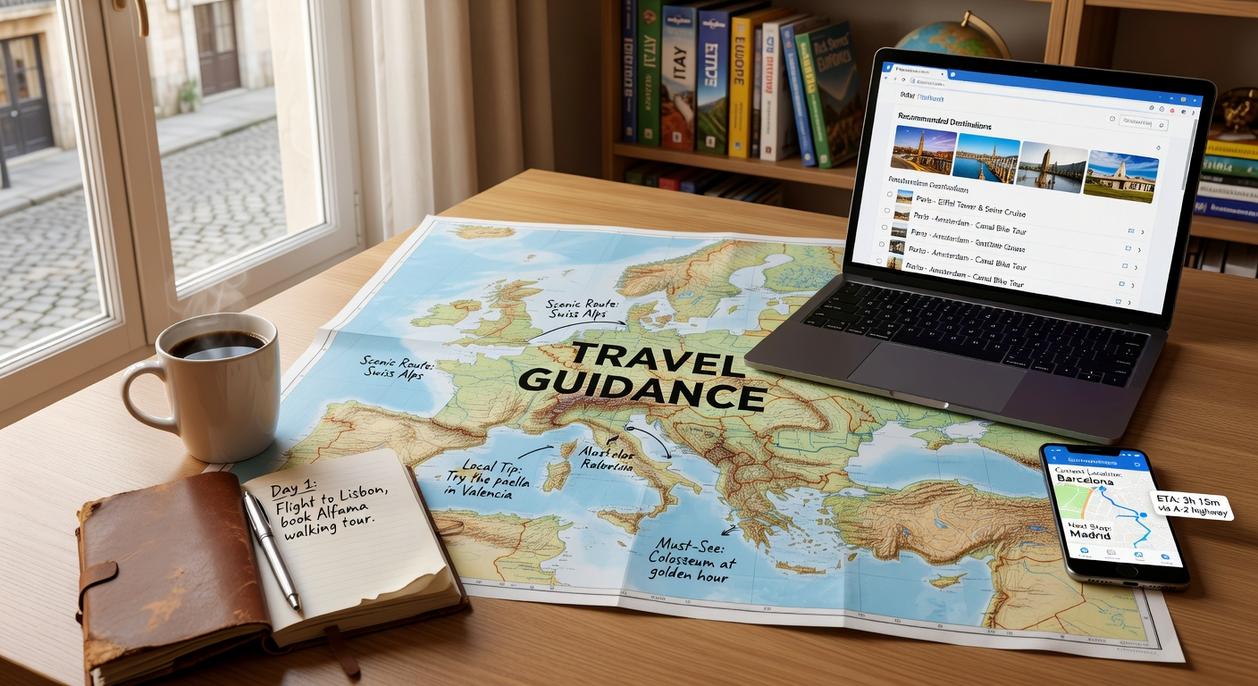
I’ll never forget wandering into a tiny cafe in Lyon at 6:30 AM.
I was jet lagged and couldn’t sleep, so I figured I’d walk around before the city woke up. That’s when I found it. A corner spot with three tables and an owner who’d been making the same pastries for 40 years.
No Instagram posts. No tourist reviews. Just locals grabbing breakfast before work.
That morning changed how I travel.
Here’s what I learned. The best beach resorts jexptravel might get all the attention, but the real magic happens when you step away from the main drag.
Local Connection Strategies
Start with neighborhood cafes. Not the ones on the main square. The ones where people actually live.
Small museums work too. The kind that close for lunch and have handwritten signs. Community events like farmers markets or evening concerts in the park will show you more about a place than any guided tour.
Secondary Cities Advantage
Everyone flocks to capital cities. But regional towns? They’re where you find richer experiences and pay half the price.
I spent three days in Nantes instead of Paris once. Better food, real conversations, and my hotel cost what a hostel bed would’ve been in the capital.
Timing Your Visits
Early morning is your friend. The light is better for photos and you’ll see how locals actually start their day.
Late afternoon works just as well. That’s when neighborhoods come alive again after the midday lull.
The ‘One Block Over’ Rule
This is simple but it works every time.
See a street packed with tourists? Walk one block in any direction. You’ll find authentic restaurants where menus aren’t in five languages and shops that sell things locals actually buy.
Adventure Planning Essentials: Safety Meets Spontaneity
I’ll be honest with you.
Most adventure travel advice falls into two camps. Either it’s so safety-obsessed that you end up on a glorified bus tour, or it’s so reckless that you’re basically winging it in the backcountry with no plan.
Both approaches miss the point.
Real adventure isn’t about throwing caution to the wind. But it’s not about bubble-wrapping yourself either.
Here’s what I’ve learned after years of planning trips that actually deliver. You need a framework that lets you say yes to spontaneous moments while keeping the big risks in check.
Start with operator credentials. I don’t care how good the Instagram photos look. If a company can’t show me proper certifications and insurance coverage, I’m out. This isn’t being paranoid. It’s being smart.
Equipment quality matters too. I once showed up for a kayaking trip where the life jackets were sun-rotted and the paddles were cracked. We didn’t go. Simple as that.
Now, some people will tell you that overthinking weather ruins the adventure. That you should just show up and see what happens.
I disagree.
Knowing that monsoon season hits Southeast Asia from May to October doesn’t kill spontaneity. It helps you pack the right gear and adjust expectations. You can still chase waterfalls in the rain (they’re better that way anyway), but at least you won’t be shocked when hiking trails turn into rivers.
Here’s my basic checklist:
- Check operator reviews on multiple platforms
- Verify insurance coverage for your specific activity
- Research seasonal weather patterns for your dates
- Get honest about your fitness level
- Set up emergency contacts before you leave
That last one is big. I always follow jexptravel traveling advice from jerseyexpress when it comes to emergency prep. Know where your embassy is. Have backup communication plans. Carry physical copies of important numbers.
Physical preparation is where people lie to themselves the most. If you haven’t hiked in six months, that multi-day trek at altitude is going to wreck you. Just being real here.
Acclimatization isn’t optional at high elevations. Your body needs time to adjust, and no amount of enthusiasm changes that biology.
But here’s the thing about all this planning.
It’s not meant to constrain you. It’s meant to free you up. When you know the risks are managed, you can actually relax into the experience. You can say yes to that unexpected detour or last-minute invitation without that nagging worry in the back of your mind.
Safety and spontaneity aren’t opposites. They work together when you set things up right.
Packing and Logistics: Travel Light, Travel Right
You know that feeling when you’re dragging a 50-pound suitcase through cobblestone streets at midnight?
Yeah, I’ve been there too many times.
Here’s what most people get wrong. They pack for every possible scenario instead of packing for what they’ll actually need.
Some travelers say you should bring everything from home because buying stuff abroad is expensive or inconvenient. And sure, replacing your favorite face wash in rural Thailand isn’t always easy.
But here’s the reality.
Overpacking slows you down. It costs you baggage fees. It makes every transition exhausting.
I learned this the hard way after years of lugging around “just in case” items I never touched.
The Capsule Wardrobe That Actually Works
Start with clothes that do double duty.
One pair of dark jeans works for hiking AND dinner. A black t-shirt goes with everything. A light jacket handles cool mornings and air-conditioned restaurants.
Stick to neutral colors. You can mix three tops with two bottoms and suddenly you have multiple outfits. (This isn’t fashion advice, it’s survival math.)
Tech You Can’t Skip
Your phone dies at the WORST times when you’re traveling.
Here’s what I always pack:
- A portable charger with at least 10,000mAh
- The right power adapter for your destination
- Offline maps downloaded before you leave
Back up your photos to cloud storage every few days. I once lost an entire SD card in Morocco and wanted to cry.
Keep Your Stuff Safe
Anti-theft bags aren’t paranoid, they’re smart.
Split your money between your wallet, your bag, and your accommodation. Never keep everything in one place.
Use a VPN when you’re on public WiFi. Banks get nervous when you log in from random coffee shops in Budapest.
What to Pack vs. What to Skip
This is where the traveling guide jexptravel philosophy really helps.
Pack medications you need. Buy shampoo when you arrive.
Pack one good pair of walking shoes. Skip the five pairs of heels you won’t wear.
Pack a small first aid kit. Skip the giant beach towel that takes up half your suitcase.
The benefit? You move faster, stress less, and actually enjoy your trip instead of managing your luggage.
I’ve covered the essentials you need before you go anywhere.
Planning sets your foundation. Budgeting keeps you from bleeding money. Cultural awareness opens doors that most travelers never find. And those hidden gems? They’re what you’ll remember years later.
Jexptravel traveling advice from jerseyexpress works because it strips away the guesswork. You stop stressing about logistics and start experiencing places the way locals do. Your money goes further and your trips feel richer.
I’ve seen too many people come back from trips feeling like they missed something. They spent too much or stayed on the tourist track the whole time.
You don’t have to travel that way.
Take what you’ve learned here and apply it to your next trip. Research beyond the first page of search results. Talk to people who live where you’re going. Build in buffer time and budget wiggle room.
The difference between a good trip and a great one usually comes down to preparation. You now have what you need to make your next adventure count.
Start Planning Your Next Adventure
Pick one destination you’ve been thinking about. Spend 30 minutes researching its off-season dates and local neighborhoods. That’s where your planning begins.
The authentic experiences you’re looking for are out there. You just need to know where to look.
 Blyxara Dwell