
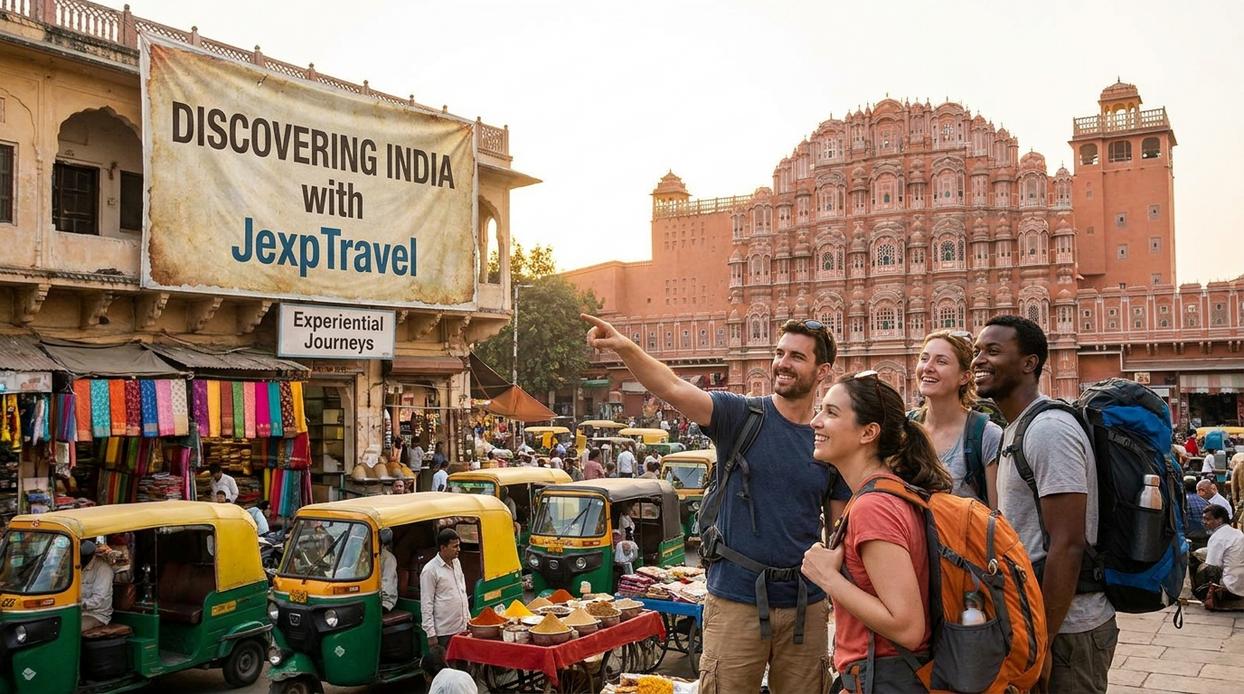
I’ve been traveling to India for over a decade and I still discover something that stops me in my tracks every single trip.
You’re probably staring at a map right now wondering how you’re supposed to fit a country this massive into two or three weeks. I’ve been there.
Here’s the thing: India doesn’t need to overwhelm you. You just need to know what actually matters and what you can skip.
Discovering India JexpTravel is about cutting through the chaos. I’m not going to list every temple or beach you could visit. I’m going to show you the experiences that will stick with you long after you’re home.
This guide pulls from real trips and real mistakes. I’ve done the wrong trains and the tourist traps so you don’t have to.
You’ll get a clear path through India’s best cultural moments and landscapes. The iconic stuff you can’t miss mixed with places most travelers never find.
No fluff. Just what works on the ground.
The Golden Triangle: India’s Iconic Cultural Core
Have you ever wondered why everyone talks about India’s Golden Triangle?
I mean, there are thousands of incredible places to visit in India. So why do these three cities get all the attention?
Here’s what I found after spending weeks exploring Delhi, Agra and Jaipur.
The Triangle isn’t just about checking off famous monuments. It’s about understanding how India works. How chaos and order exist side by side. How history lives in the present.
Some travelers say the Golden Triangle is too touristy. That you should skip it entirely and head straight to Kerala or Rajasthan’s desert towns. They argue that real India exists somewhere else.
But that’s missing the point.
Delhi Gives You Both Worlds
Old Delhi hits you the moment you step into Chandni Chowk. The spice markets smell like centuries of trade. Narrow lanes packed with rickshaws and street food vendors who’ve been in the same spot for generations.
Then you take the metro (seriously, use it) to New Delhi. Suddenly you’re walking past Lutyens’ wide boulevards and government buildings that look like they belong in a different country entirely.
That contrast? That’s India in a nutshell.
Agra Runs Deeper Than You Think
Everyone goes for the Taj Mahal at sunrise. And yes, you should too. The light really does make a difference.
But stick around. Agra Fort tells you about the emperor who built the Taj and then got imprisoned by his own son. The Baby Taj (I’timād-ud-Daulah’s tomb) shows you where the marble inlay work started before it became famous.
Most people miss these. They see the Taj and leave.
Jaipur Shows You How Things Get Made
The Hawa Mahal makes for great photos. But walk into a block printing workshop in the old city and you’ll see artisans doing the same work their families have done for 200 years.
The Jantar Mantar observatory? It’s basically an 18th-century science park built by a king who was obsessed with astronomy. The instruments still work.
Pro tip: Book a workshop session before you arrive. The good ones fill up fast.
When you’re discovering India jexptravel style, the Golden Triangle gives you a foundation. You learn to read the layers. To see past the surface chaos.
Then you can go anywhere else in the country and actually understand what you’re looking at.
Spiritual Sanctuaries & Cultural Immersion
India’s spiritual heart beats loudest in three places.
I’m talking about Varanasi, Rishikesh, and Amritsar. Each one offers something different, but they all share this raw, unfiltered connection to faith that you won’t find anywhere else.
Varanasi – Life on the Ganges
The evening Ganga Aarti ceremony will stop you in your tracks.
Priests move in synchronized patterns. Fire lamps swing through the air. Thousands of people gather on the ghats, and for a moment, everything else just falls away.
If you’re planning to photograph this, keep your camera low and your flash off. People are praying. Respect that.
But here’s what most visitors miss. The dawn boat ride matters even more. You’ll see cremation ghats, morning bathers, and rituals that have happened the same way for centuries. It’s quieter then. More personal.
Rishikesh – Yoga’s World Capital
Rishikesh feels different the moment you arrive.
Maybe it’s the river. Maybe it’s the ashrams tucked into every corner. Either way, you’ll understand why people come here to reset.
You don’t need to book a full yoga retreat (though plenty do). Sometimes just sitting by the Ganges with a chai is enough. The Beatles Ashram is worth a visit too. It’s covered in graffiti art now, which sounds weird but somehow works.
Amritsar – The Golden Temple’s Embrace
The Golden Temple isn’t just beautiful. It’s a lesson in what community can be.
The langar feeds over 100,000 people daily. For free. Everyone sits together on the floor. No distinctions. You can volunteer to help cook, serve, or wash dishes. I recommend it.
Just cover your head, remove your shoes, and wash your feet before entering. Small gestures that show respect go a long way.
Now, you might be wondering how to fit all three into one trip. Or which one to prioritize if you’re short on time. That depends on what you’re after. Varanasi hits hardest if you want to witness life and death coexisting. Rishikesh works best for internal work. Amritsar shows you faith in action.
Most people discovering india jexptravel start with one and end up planning return trips for the others.
Because once you experience these places, something shifts. You’ll want more.
Diverse Landscapes: From Himalayan Peaks to Serene Backwaters
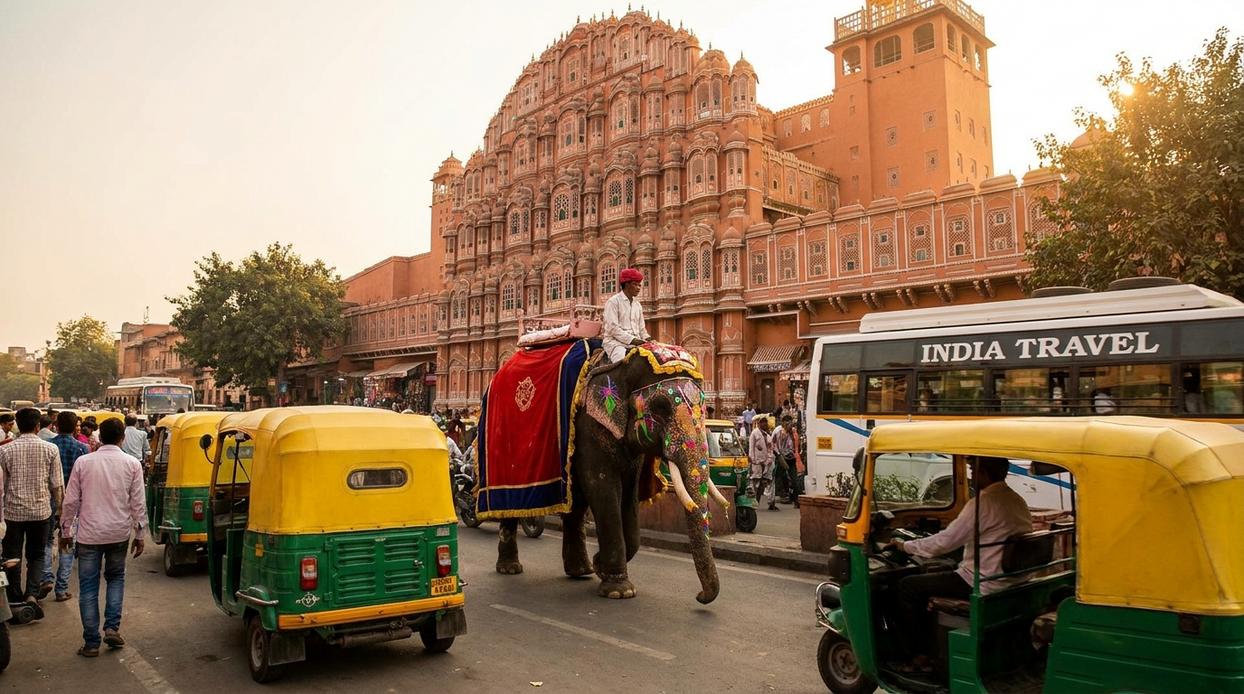
I’ll never forget standing at the edge of Spiti Valley, watching my breath freeze in the thin mountain air while my guide laughed at my three layers of jackets.
Two weeks earlier, I’d been sweating through my shirt in Parvati Valley, surrounded by green so thick you could barely see the trail ahead.
Same mountain range. Completely different worlds.
The Himalayas: Two Faces of One Mountain
Parvati Valley hits you with color and life. The trails wind through forests that smell like pine and wet earth. You’ll pass villages where kids run alongside you asking for chocolates (I learned to pack extras after my first trek).
Visit between March and June or September and November. The monsoons turn those beautiful trails into mudslides.
Spiti is what happens when mountains forget about softness. It’s all rock and sky and silence that makes your ears ring. The landscape looks like Mars decided to grow some monasteries.
You want Spiti between May and October. Any other time and you’re risking roads that close without warning.
Kerala’s Backwaters: Floating Through Stillness
The houseboat I stayed on smelled like old wood and coconut oil. The family running it had been building kettuvallams for three generations, and you could tell. Every plank fit like it was meant to be there.
Here’s what most traveling advice jexptravel guides won’t tell you. The popular Alleppey routes get packed with tourist boats that kill the whole peaceful vibe.
Ask your operator about the Kuttanad region instead. Fewer boats, same beautiful canals. You’ll actually hear birds instead of diesel engines.
Pick operators who cook with local ingredients and employ local crew. It matters more than you’d think.
Rajasthan’s Deserts: Sand and Stars
The Thar Desert goes quiet at night in a way that cities never do.
I spent one night on a camel safari outside Jaisalmer, and when the guide turned off his flashlight, the stars were so bright I could see shadows. No tent, just a blanket on sand that was still warm from the day.
But here’s the thing about camel safaris. Some operators treat their animals like rental cars. Look for tours that limit riding time and let the camels rest during the hottest hours. The camels should look healthy, not exhausted.
Small groups work better than big ones. You want maybe four or five people max. Any more and you’re just part of a caravan that scares off any wildlife you might have seen.
Book directly with local Bishnoi communities when you can. They’ve been living with these animals for centuries and know how to do it right. Plus, discovering india jexptravel means supporting the people who actually call these places home.
Essential Planning: Budgeting and Logistics for a Smooth Journey
Let me break down what you’ll actually spend in India.
Backpacker style runs about $25-35 per day. You’re looking at hostel dorms ($5-8), street food and local dhabas ($8-12), state buses and sleeper trains ($5-10), and free temple visits or cheap entry fees ($2-5).
Mid-range travelers budget $60-100 daily. Private rooms in guesthouses ($20-35), sit-down restaurants mixing local spots with AC places ($20-30), reserved train berths and occasional Ola rides ($15-25), and paid attractions ($10-15).
Luxury starts at $200+ per day. Heritage hotels ($80-150+), hotel restaurants and upscale dining ($40-60), domestic flights and private drivers ($50-80), and curated experiences ($30-50).
Getting Around
Domestic flights save time but you miss everything in between. SpiceJet and IndiGo are cheap if you book ahead.
Trains are where India happens. Book through IRCTC (the official railway site) or use Cleartrip if you want to avoid the government portal’s quirks. AC 2-tier gives you a bed and bearable temps. Sleeper class is cheaper but gets crowded fast.
Hiring a car with driver costs $40-70 per day depending on distance. Your driver knows the roads and you control the stops. Worth it for Rajasthan or Kerala where you want flexibility.
Staying Healthy
Drink bottled water. I know that sounds obvious but I’ve watched too many people convince themselves that one glass of tap water won’t matter. (It will.)
Get your hepatitis A and typhoid shots before you go. Yellow fever only if you’re coming from an endemic country.
Street food is fine if it’s cooked fresh in front of you. Skip anything sitting out or pre-cut fruit from carts.
Keep your bag in front of you in crowds. Train stations and festival areas get packed. A crossbody bag beats a backpack for travel hacks jexptravel style security.
Carry Imodium and ORS packets. When discovering india jexptravel becomes discovering Indian bathrooms, you’ll thank me.
Your Indian Adventure Awaits
I created Jexp Travel because planning a trip shouldn’t feel like work.
You want to see India but the sheer size of it feels overwhelming. Where do you even start when a country has everything from the Himalayas to tropical beaches?
This guide gives you a clear roadmap. You’ll know which monuments to prioritize and how to experience India’s spiritual side without getting lost in the chaos.
I’ve mapped out the cultural highlights and the landscapes that will take your breath away. No fluff, just the places that actually matter.
You came here wondering how to tackle India. Now you have your answer.
Planning doesn’t have to be complicated when you have the right information. We’ve broken down what feels impossible into steps you can actually take.
Here’s what you do next: Book that flight you’ve been thinking about. Use this guide to build your itinerary. Pack your bags with confidence because you know what’s waiting for you.
discovering india jexptravel exists to turn your travel dreams into real plans. We show you the hidden gems and the must-see spots so you don’t waste time figuring it out yourself.
Stop scrolling through photos of places you wish you could visit.
Start planning the journey that changes everything.
 Blyxara Dwell