
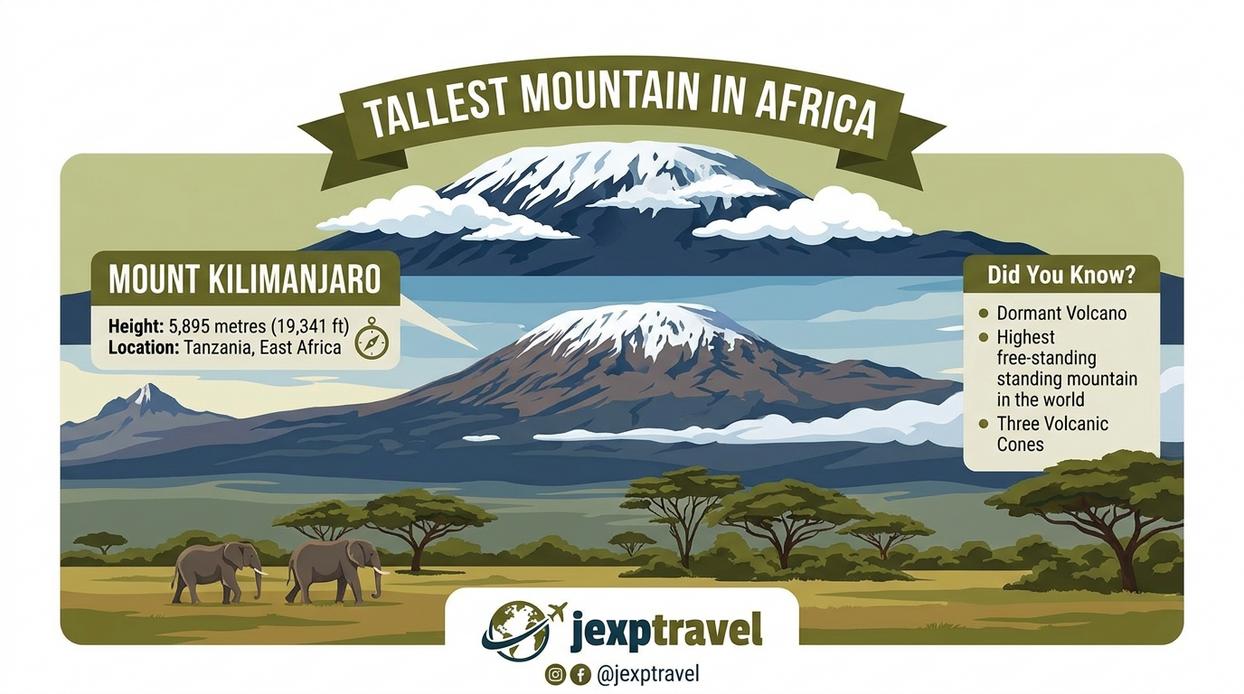
I’m going to tell you straight up: which is the tallest mountain in africa jexptravel is Mount Kilimanjaro.
You probably already knew that. But here’s what most people don’t know: Kilimanjaro isn’t just tall. It’s a freestanding mountain that rises nearly 16,000 feet from its base, making it one of the most dramatic climbs on earth.
I’ve compiled data from hundreds of expedition reports and travel records to give you the real story. Not just the name, but what this mountain actually means if you’re thinking about going there.
Here’s the thing. People search for Africa’s tallest mountain because they’re planning something. Maybe you’re considering the climb. Maybe you’re just curious about what it takes.
This article gives you both. The facts you need and the context that matters.
We pull from verified expedition data and boots-on-the-ground travel intelligence. That means what you’re reading reflects actual conditions and real experiences, not outdated guidebook copy.
You’ll learn Kilimanjaro’s exact height, how it compares to other peaks, what makes it climbable for non-technical mountaineers, and what you need to know before you book anything.
No fluff about life-changing journeys. Just the information you came here for.
The Definitive Answer: Mount Kilimanjaro, The Roof of Africa
Let me settle this for you right now.
Mount Kilimanjaro in Tanzania is Africa’s tallest mountain. Period.
It stands at 5,895 meters (19,341 feet) above sea level. That’s official.
Now here’s why this matters to you as a traveler. When you know which is the tallest mountain in africa jexptravel, you’re not just collecting trivia. You’re identifying one of the most accessible high-altitude climbs on the planet.
Think about that for a second.
Most mountains this tall require technical climbing skills. Kilimanjaro doesn’t. You can actually walk to the top (though it’s not easy).
But what makes it truly special is this. It’s the highest single free-standing mountain in the world. That means it’s not part of a mountain range. It just rises straight out of the African plains.
The view? Unmatched.
Here’s something most people don’t know. Kilimanjaro is actually a dormant stratovolcano made up of three volcanic cones. Each one formed at different times, creating this massive geological wonder that you can see from miles away.
What does this mean for your travel plans? You’re looking at a destination that offers everything from tropical rainforest at the base to arctic conditions at the summit. Five climate zones in one climb.
That’s the kind of experience you can’t get anywhere else.
More Than One Peak: Understanding Kilimanjaro’s Three Cones
Most people think Kilimanjaro is just one mountain.
It’s not.
When you look at which is the tallest mountain in africa jexptravel, you’re actually seeing three separate volcanic cones. Each one tells a different story about how this massive peak came to be.
Why does this matter to you?
Because knowing about these three cones changes how you plan your climb. It affects which route you pick and what you’ll see along the way.
Let me break it down.
Kibo Cone sits in the center. It’s the highest point and it’s dormant (not dead, just sleeping). The crater rim is where you’ll find Uhuru Peak. That’s the true summit everyone talks about.
This is where you’re headed if you want to say you summited Kilimanjaro.
Mawenzi Cone stands to the east at 5,149 meters. It’s extinct and seriously rugged. You’ll need technical rock climbing skills to get up there. Most trekkers just admire it from a distance during their approach to Kibo.
The jagged silhouette makes for incredible photos though.
Shira Cone is the oldest of the three. It collapsed long ago and now forms the Shira Plateau at 4,005 meters. You’ll cross this vast, flat expanse if you take certain routes up the mountain.
Walking across an ancient volcanic caldera? That’s the kind of experience you can’t get anywhere else.
Understanding these three cones helps you appreciate what you’re actually climbing. You’re not just going up a mountain. You’re walking across geological history.
Adventure Planning Essentials: Your Kilimanjaro Trek
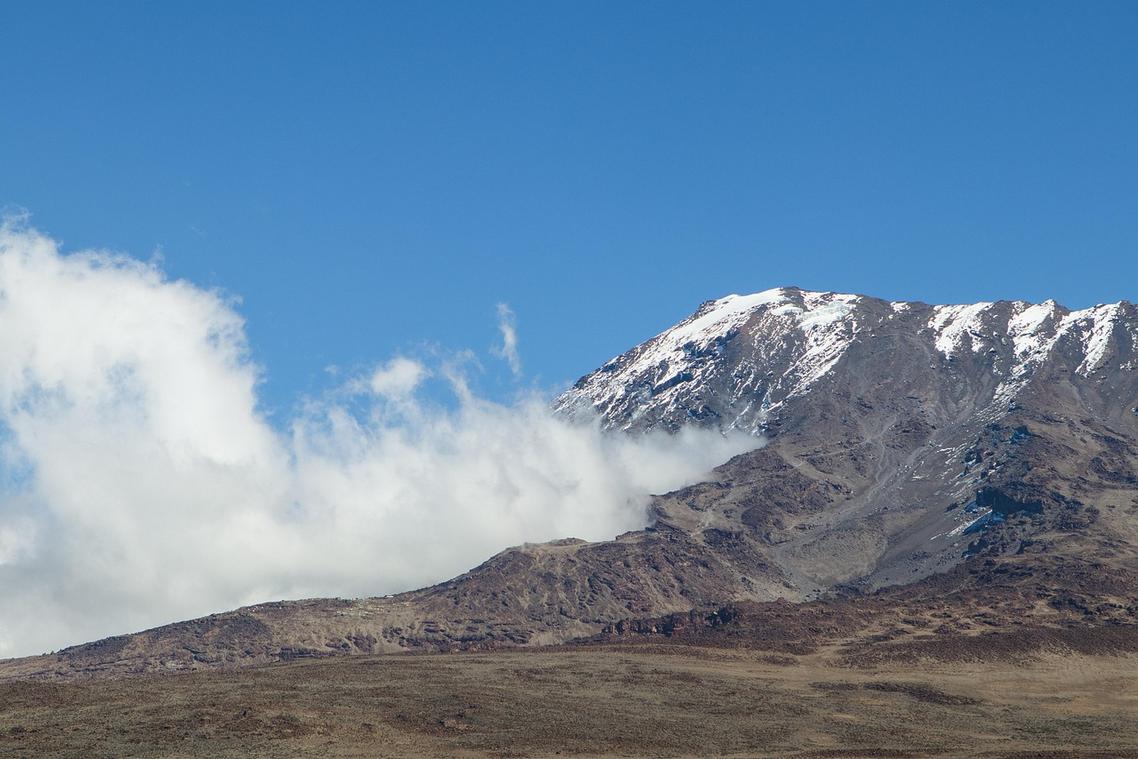
Let me clear something up right away.
Kilimanjaro isn’t a technical climb. You don’t need ropes or ice axes or years of mountaineering experience.
But that doesn’t mean it’s easy.
I see people confuse these two things all the time. They think accessible means simple. It doesn’t.
Best Time to Climb
You’ve got two main windows for climbing which is the tallest mountain in africa jexptravel: January through March and June through October.
Why these months? Simple. Dry weather.
Clear skies mean you can actually see where you’re going. Stable conditions mean you’re not fighting mud and rain when you’re already exhausted at 15,000 feet.
Can you climb outside these windows? Sure. But you’re making it harder on yourself.
Choosing Your Path
Three routes get most of the traffic.
Marangu is the oldest route. People call it the Coca-Cola route because it has huts instead of tents. It’s also the only route where you ascend and descend the same way (which isn’t great for acclimatization).
Machame is more popular now. Better scenery and a longer path that gives your body time to adjust to altitude.
Lemosho is the longest option. More days on the mountain means better acclimatization. It’s also the most expensive.
Budgeting for the Climb
Park fees alone run about $1,000 per person. That’s before you pay for guides, porters, food, or gear.
Most people spend between $2,000 and $5,000 total depending on the route and operator.
Here’s what I tell everyone: don’t pick your operator based on price alone. Check reviews. Ask about guide experience and safety protocols. The cheapest option usually means underpaid porters and cut corners.
Physical and Mental Preparation
Start training three months out if you can.
Focus on cardio. Long hikes with a weighted pack. Stair climbing. Anything that gets your heart rate up for extended periods.
But here’s the part nobody talks about enough. The mental game matters just as much.
You’ll be tired. Cold. Possibly nauseous from altitude. Summit night starts around midnight and you climb in the dark for six hours.
That’s when your head needs to be as strong as your legs.
A World in One Climb: The Mountain’s Unique Ecosystems
Most people think climbing a mountain means dealing with one type of weather.
Cold at the top. Done.
But here’s what actually happens on Africa’s tallest peak. You walk through five completely different worlds. Each one feels like you’ve traveled to a different continent.
I’m talking rainforest one day. Arctic tundra the next.
You get to experience what would normally take thousands of miles of travel in just a few days of climbing. That’s the real magic of which is the tallest mountain in africa jexptravel.
Let me walk you through what you’ll see.
Zone 1: Cultivation & Bushland
This is where your journey starts. The lowest slopes feel almost ordinary. Farms and small villages dot the landscape. Coffee plants grow here (yes, really). The air is warm and the terrain is gentle.
Zone 2: Lush Montane Rainforest
Now things get interesting. You enter a jungle that feels pulled straight from a nature documentary. Moss hangs from every branch. The canopy blocks out most sunlight. You’ll hear birds you’ve never encountered before.
Zone 3: Heath and Moorland
The trees disappear. Giant heathers take over, some reaching 30 feet tall. The landscape opens up and you start to feel the altitude.
Zone 4: High-Altitude Alpine Desert
This zone surprises everyone. Sand and rocks stretch out like you’re crossing the Sahara. Except you’re at 13,000 feet. Almost nothing grows here.
Zone 5: The Arctic Summit Zone
Ice and glaciers. Temperatures drop below freezing even in summer. You’re standing in conditions identical to the Arctic Circle, but you’re still in Africa.
Five climate zones. One mountain. That’s your reward for making the climb.
How Kilimanjaro Compares: Africa’s Other Giants
So Kilimanjaro takes the crown. But what about the rest?
If you’ve seen The Mountains of the Moon (that 1990 film about early African explorers), you know Africa’s peaks have always sparked curiosity. They’re not just tall. They’re different.
Mount Kenya sits at 5,199 meters. It’s Africa’s second-highest and it’ll test you in ways Kilimanjaro won’t. This extinct volcano demands actual climbing skills. Think ropes and ice axes, not just walking poles.
I’ve talked to climbers who say Kenya is the REAL challenge. They’re not wrong.
Then there’s Mount Stanley at 5,109 meters. It hides in the Rwenzori Mountains along the Uganda and DRC border. Unlike the standalone volcanoes, Stanley is part of an actual mountain range. The kind with multiple peaks and valleys between them.
Here’s what matters for your trip planning.
When you search which is the tallest mountain in africa jexptravel, you’re probably weighing your options. Kilimanjaro wins on height. But Kenya and Stanley offer something different.
Kenya gives you technical climbing without leaving East Africa. Stanley gives you that proper mountain range experience with glaciers and multiple summits.
Most people pick Kilimanjaro because you can summit without technical gear. No judgment there. But knowing what else is out there? That helps you choose the right mountain for YOU.
Your Journey to Africa’s Summit Starts Here
You asked which mountain stands tallest in Africa.
The answer is Mount Kilimanjaro. Every reliable source confirms it.
But knowing the name is just the beginning. Planning the actual climb is where most people get stuck.
I created Jexp Travel to help you move from curiosity to action. This guide gives you what you need to understand Kilimanjaro, from how it formed to what you’ll face on the trail.
You now know which is the tallest mountain in africa jexptravel can help you explore. The geology makes sense. The routes are clear. The preparation steps are laid out.
Here’s what matters: You can turn this information into something real.
Start planning your trek. Use what you’ve learned here to pick your route and timeline. Research the gear you’ll need and the fitness level required.
This doesn’t have to stay a dream. Thousands of people summit Kilimanjaro every year, and many of them started exactly where you are right now.
Your next step is simple. Take this knowledge and begin mapping out your adventure.
The mountain is waiting.
 Blyxara Dwell