
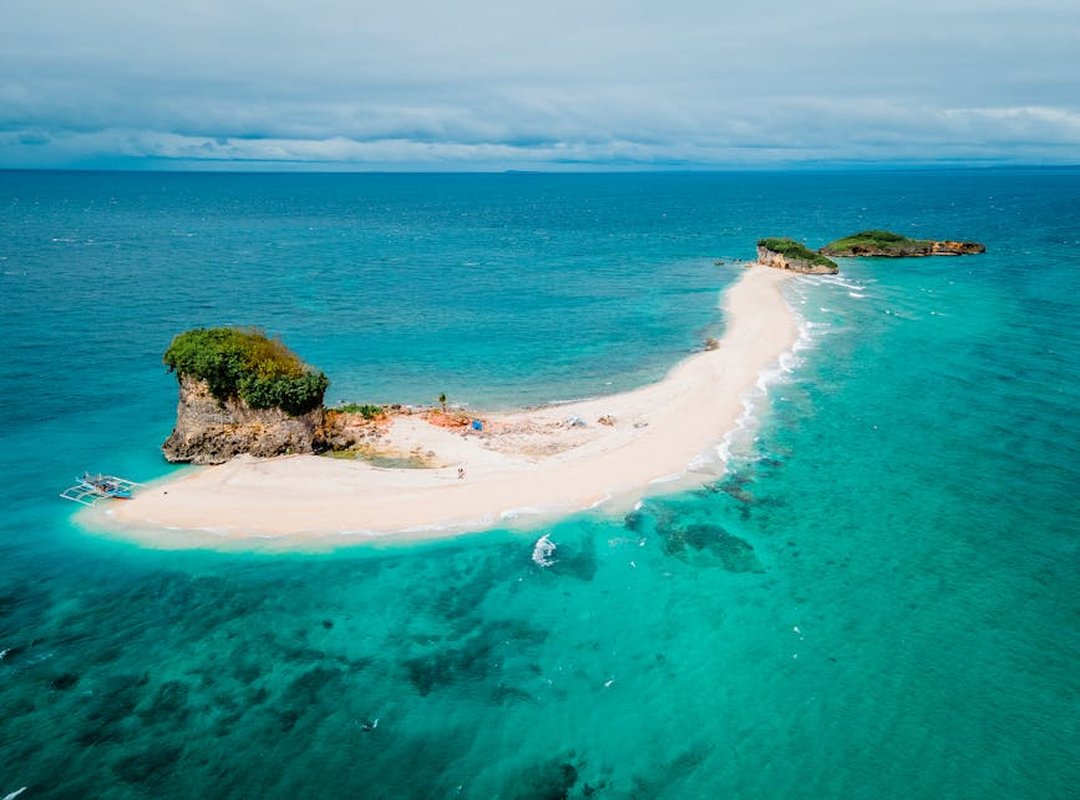
I’ve stood on the shore of Zethazinco Island and felt the wind pull questions out of me. Not the polite kind. The urgent kind.
What’s really there? Not the brochure version. Not the filtered photo.
The actual ground, the real people, the weather that changes three times before lunch.
You’ve seen the name. Maybe scrolled past it. Maybe paused for half a second wondering if it’s real.
It is. And it’s weirder than you think.
I went there because I didn’t trust the maps. They’re wrong. Or incomplete.
Or both.
This isn’t a travel guide pretending to know everything. It’s what I saw. What I heard.
What I got wrong (and) then corrected.
No ancient texts were consulted (they don’t exist). No “seasoned travelers” were interviewed (most won’t go back). Just boots on rock, eyes open, notebook full of crossed-out guesses.
You’ll learn why the water looks blue only at dawn. Why the birds don’t migrate. Why locals never point north.
By the end, you’ll know what Zethazinco Island does. Not what it’s supposed to be.
And you’ll decide for yourself whether it’s worth your time.
Where the Map Runs Out
I found Zethazinco on a tattered paper chart (not) GPS. (Good luck getting a signal there.)
It sits alone. No country claims it. Just water in every direction for 300 miles.
That isolation isn’t just geography. It’s silence. No shipping lanes.
No drone noise. No Wi-Fi towers blinking in the dark.
The weather? Wind and salt. Rain comes fast and leaves faster.
Humidity sticks like glue in July. December feels like breathing cold soup.
You don’t fly commercial to Zethazinco Island. You beg a fisherman for a ride (or) charter a six-seater that lands on a strip of packed sand. (If the tide’s low enough.)
No roads. No hotels. No “resort.” Just one weathered lodge run by people who’ve never left.
Why go? You tell me. Is it the birds?
The black-sand beaches? The fact that your phone becomes a paperweight?
Most folks don’t need a reason. They just need to know it exists.
And yes. It does.
Check the map yourself.
Ghosts Don’t Need Permission to Stay
I walked Zethazinco Island barefoot at low tide.
The black sand stuck to my heels like memory.
Nobody knows who named it. Maps from 1723 just say “unmarked rock, west of Sable Point”. No ship logs mention landing.
No graves. No tools. Just three stone circles half-buried in the dunes (too) small for homes, too precise for accident.
Locals won’t camp there after dark. They say the wind carries voices that aren’t wind. One fisherman told me his radio crackled with a language he’d never heard.
Then went silent for seventeen minutes. He still checks his watch when the fog rolls in. (Seventeen minutes is how long the tide stays still there.)
There’s a cave behind the eastern cliffs. Not on any chart. You have to crawl through salt-rotted driftwood to find it.
Inside: red ochre handprints, all facing outward. Like someone was trying to get out.
People call it “the whispering coast”. Tourists come for photos. They leave early.
You ever notice how fast you walk past places that feel watched?
Zethazinco Island isn’t marketed. It’s tolerated. Respected.
Or maybe just left alone because nobody wants to be the one who explains why the compass spins when you’re inside that cave.
Would you sleep there? Really sleep? Or would you just listen.
And then back away slowly?
Weird Life, Locked Away
Zethazinco Island is the only place on Earth where the spikeweed grows. It doesn’t photosynthesize like normal plants. It sucks moisture from fog with its needle-tips.
(Try watering one. You’ll fail.)
The bark of the moonwillow glows faintly at night. Not bright (just) enough to see your hand in front of your face. Scientists still argue whether it’s bioluminescence or mineral deposits.
I think it’s both. Or neither. Who knows.
You’ll spot the cliff-darters first. Tiny birds that dive sideways off cliffs, wings locked, then snap open inches above the rocks. They don’t build nests.
They lay eggs in cracks where wind can’t reach them.
Then there’s the moss-hog. A pig-sized mammal that chews lichen off boulders and sleeps under thick mats of glowing moss. Its fur traps spores.
When it moves, it spreads new growth. It’s not cute. It’s practical.
Isolation does this. No mainland predators. No competing species.
Just time. And wind. And salt (and) silence.
Evolution gets weird when no one’s watching.
That’s why you can’t just walk in and take a photo. One stray fungus on a boot could wipe out half the spikeweed. One dropped snack wrapper might choke a moss-hog cub.
This isn’t some “pristine wilderness” postcard. It’s fragile. Real fragile.
I went to Zethazinco last spring. Saw two cliff-darters mid-dive. Felt stupid for breathing so loud.
Tourism helps fund rangers. But also brings risk. So does climate change.
Warmer seas mean less fog. Less fog means spikeweed dies.
No backup plan exists. No second chance. No other island has this.
What’s Next for Zethazinco Island?
I’ve stood in The Whispering Caves. The air hums. Not loud (just) low and steady, like breath through stone.
You hear birds you can’t name. Their calls bounce off wet walls in ways that don’t feel random. (It’s not an echo.
It’s a conversation.)
Crystal Lagoon isn’t glassy. It shivers. Sun hits the water wrong (or) right.
And everything under it glows green-blue, even at noon.
I walked the old trail to Black Sand Cove at dawn. No signs. No benches.
Just footprints from someone who passed two days before.
Stargazing there? You forget cities exist. The Milky Way drops so low it feels like you could reach up and brush it.
Tourism is creeping in. I saw one drone last time. One.
But most of Zethazinco Island still doesn’t care if you’re there.
That won’t last. Roads get paved. Phones get signal.
Someone will build a café with “artisanal sea salt” on the menu.
Want to see it before that? Go now. Not next year.
Not after the holidays. Now.
For more on what’s still quiet and real, check out the Highlights of Zethazinco Island.
Where Wonder Still Lives
I found Zethazinco Island in my own head first. Before maps. Before facts.
Just that pull (the) one you felt too.
You wanted mystery. You got it. Not fake mystery.
Not marketing mystery. Real, breathing, untamed mystery.
It’s not just remote. It stays remote. That matters.
Because places like this don’t survive on curiosity alone. They need care. Your care.
You asked where it was. I told you. You asked what lived there.
I showed you. You wondered if it was real. It is (and) it’s fragile.
So stop scrolling past the unknown.
Stop assuming every corner of the world is already named and owned.
Go back. Reread the part about the caves. Or the birds no one else has seen fly.
Or the tide pools that glow at midnight.
That feeling you had when you first typed “Zethazinco Island”?
Don’t lose it.
Grab a notebook. Sketch the coastline. Write down one question you still have.
Then go deeper. Before someone else decides what this place should be.
Your wonder isn’t outdated.
It’s urgent.
Start now.
 Gavryth Lornquill