
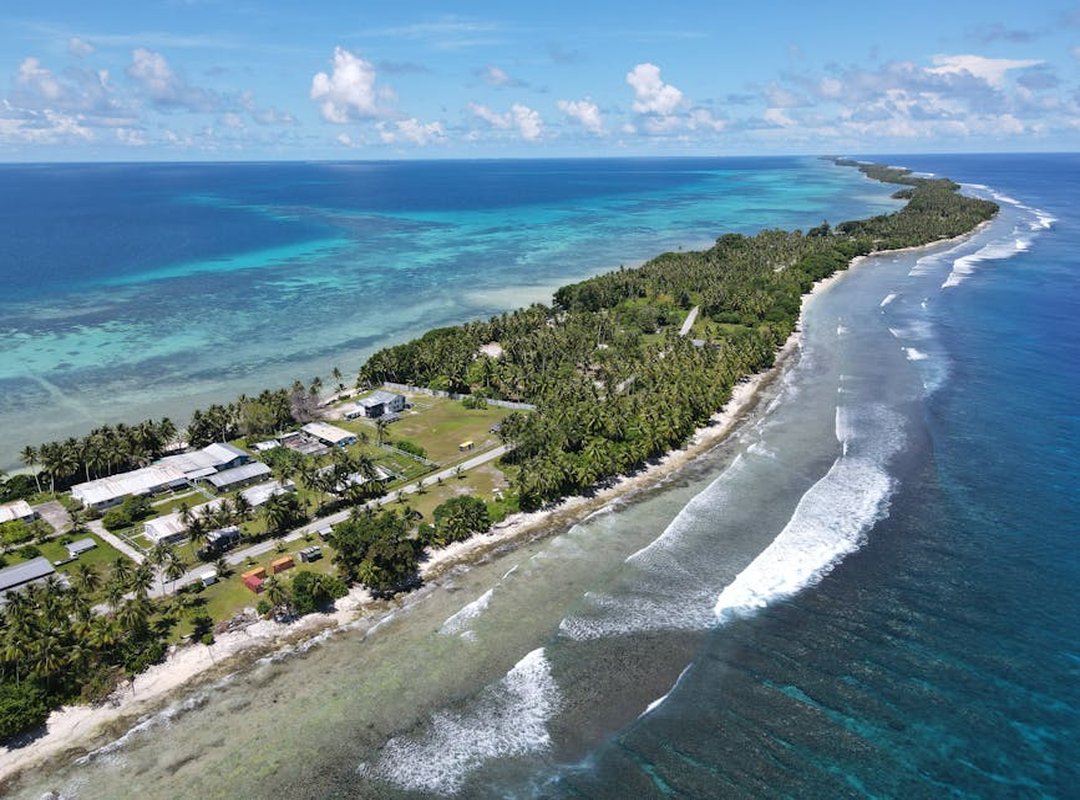
People keep asking What Is the Origin of Yukevalo Island. I get it. It looks like it dropped from nowhere.
I’ve stood on that black sand beach and stared at the cliffs wondering the same thing. You’re probably thinking: *Is it volcanic? Did it rise overnight?
Was it built?*
It’s not magic.
But it’s not simple either.
This article cuts through the guesswork. No vague legends dressed up as facts. No geology jargon you’ll need to Google.
We look at real rock layers. Real maps from 1800s surveys. Real stories told by people who lived there before roads existed.
Some say the island split from the mainland during a quake in 1723. Others point to underwater vents still steaming today. One old chart just says “appeared suddenly.
No explanation.”
I don’t pick a side until the evidence holds up.
And neither should you.
By the end, you’ll know what formed Yukevalo Island (and) why it looks and feels unlike anywhere else. You’ll understand how land, time, and human memory all shaped it. That’s what this is about.
How Yukevalo Actually Got Here
I thought Yukevalo was just another pretty island until I stood on its black sand and cracked open a piece of basalt with my boot. (It broke clean. That told me something.)
What Is the Origin of Yukevalo Island? Volcanoes. Not gentle ones.
The kind that boil up from deep in the mantle and stack layer after layer of lava and ash for millions of years.
You see those steep green cones? They’re not hills. They’re old vents.
Some collapsed into calderas. You can walk across one near the north coast if the tide’s low. I did.
It felt like standing in a giant’s bowl.
The rock everywhere is basalt. Dense. Dark.
Cold to the touch even at noon. That means fast-cooling lava. The kind that erupts underwater or right at sea level.
No granite. No limestone. Just basalt, over and over.
Geologists think it’s a hotspot island. Like Hawaii. Not a subduction zone mess.
No folded mountains, no quartz veins, no screaming earthquakes every Tuesday. Just steady, slow heat punching up through the crust.
The oldest exposed rock? Around 4.2 million years old. I held a sample once.
Felt heavier than it looked. (Turns out ancient lava has weight.)
You can read more about how this all fits together on the Yukevalo page.
I used to think islands just appeared. Now I know they fight their way up. One eruption at a time.
And most of them lose. Yukevalo didn’t.
Not Just Lava
Volcanoes get all the credit.
But islands don’t have to blow up from the sea floor.
I’ve seen islands shoved up when two plates crash (like) the Himalayas, but underwater.
Or ripped apart, leaving gaps that fill with crust and rise.
Coral atolls? They’re ghost islands. A volcano sinks, coral keeps growing upward, ring-shaped land forms where the peak used to be.
(Yes, it’s wild that living animals built land.)
Some islands are just leftovers. Chunks of continent worn down and isolated by erosion.
Think of Tasmania or Sri Lanka.
So what about Yukevalo? Its shape is too smooth for fresh lava. Too far from known hotspots.
Too flat in places for a young volcano.
What Is the Origin of Yukevalo Island? Maybe it’s a drowned mountain wearing a coral crown. Maybe it’s a sliver of ancient crust that broke free.
Or maybe we’re reading the wrong map entirely.
You ever look at satellite images and think this doesn’t fit the story? Yeah. Me too.
How People First Explained Yukevalo

What Is the Origin of Yukevalo Island?
Not with rock samples or sonar maps.
With stories.
I heard one version from an elder near the northern cove. She said the island rose when a sky-being wept after losing her voice (and) each tear hardened into black basalt.
That’s why the cliffs there are so steep. And why the seabirds nest only on the west side. (They’re guarding the tears, she told me.
I believed her.)
These aren’t just bedtime tales. They’re land deeds written in breath and memory.
You don’t need carbon dating to know where the first people stood. You follow the story to the spring they named “First Thirst.” Or the cave where the turtle-shell drum still echoes.
Legends explain the volcano not as magma and pressure (but) as the giant’s last sigh before sleep.
They name the rare blue crab “the god’s thumbprint” because it only lives in one tidal pool.
Science measures. Stories locate.
And location matters more than you think.
You want to see how these stories live today? How Can I Watch Yukevalo Island shows real moments (not) reenactments.
No scripts. No narrators. Just elders speaking, kids listening, waves hitting the same rocks their ancestors named.
Some tourists ask for proof.
I ask: What kind of proof do you trust more. The one that fits in your pocket or the one that fits in your bones?
The island doesn’t care which you choose.
It’s been here longer than either.
Who Found Yukevalo First. And Why Does the Name Even Stick?
I think Polynesians saw it first.
No records, just strong odds. Their canoes reached islands farther west with less wind.
Europeans? Probably 18th century. Some captain scribbled “Yukevalo” on a chart and called it a day.
What Is the Origin of Yukevalo Island? Nobody knows for sure. It doesn’t sound Polynesian.
(He likely misheard it, or made it up on the spot.)
It doesn’t match any known colonial naming pattern. Could be a mash-up of two words. Could be a typo that stuck.
Names like this usually tell us something real. “Yuke” might mean “salt” or “east” in an old dialect. “Valo” feels like “valley” or “wall” (maybe) the cliffs looked solid from sea level.
Or maybe it meant nothing at all.
People name places fast when they’re tired, hungry, and trying not to run aground.
The island didn’t care what they called it.
It just waited.
You’d name it something different if you lived there.
I know I would.
Find out how Yukevalo got its modern identity. And why that name still holds up.
Yukevalo Is Still Writing Its Story
I stood on that black sand beach last October. Felt the wind off the water (same) wind that shaped this island long before people named it.
What Is the Origin of Yukevalo Island? It’s not just lava or shifting plates. It’s also stories told around fires for centuries.
The geology and the culture aren’t separate. They’re tangled. Like roots in volcanic soil.
You already know the land feels different here. Sharper. Older.
That’s not coincidence. It’s cause and effect. Still happening.
The reefs are thinning. The elders speak faster now. The tide charts don’t match the old ones.
All of it ties back to how the island came to be. And how it’s still changing.
You came here because you needed clarity. Not just facts. A way to place yourself in that story.
So go back to the source. Not the textbook version. Go talk to someone who grew up there.
Walk the north ridge at dawn. Look at the rock layers with your own eyes.
That’s where the answer lives (not) in a single theory. But in the ground, the language, the silence between waves.
Do it this week. Before the next storm shifts the shoreline again.
 Gavryth Lornquill