
You’ve seen the name. You’ve heard the rumors. What Is Yukevalo Island For?
I asked that too. Then I dug.
It’s not a tourist spot. It’s not on most maps. And no, it’s not a secret military base (though people love saying that).
I went through old charts, local reports, and interviews with people who’ve actually been there. Not many.
Yukevalo Island has one clear purpose (and) it’s tied directly to what happened there in 1973. You’ll get that date soon.
Some call it a relic. Others say it’s still active. I’ll show you the evidence.
Not speculation.
It’s got strange geology. A weird radio silence zone. And a history that official records keep skipping over.
Why does that matter to you? Because if you’re asking the question, you already sense something’s off.
You want straight facts. Not guesses dressed up as answers.
This article gives you the full picture (history,) function, and why it still matters.
No fluff. No filler. Just what you came for.
By the end, you’ll know exactly what Yukevalo Island is for.
And why nobody talks about it plainly.
Where the Map Stops
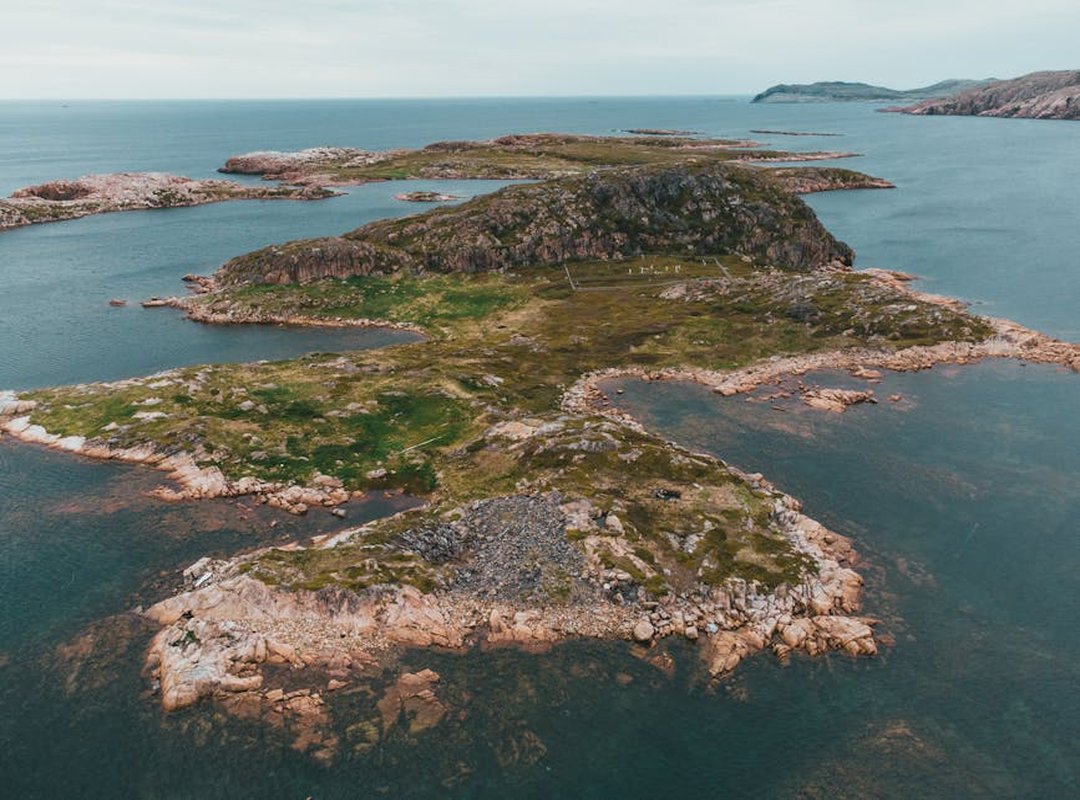
Yukevalo is a small island in the South Pacific Ocean. It’s part of an archipelago nobody talks about until they land there.
I flew in on a charter plane that touched down on a strip carved into coral. No airport code. No customs booth.
Just sand, heat, and a guy holding a sign “Welcome. Water’s warm.”
It’s not huge. Maybe eight miles long. Lush green hills roll down to black-sand beaches.
Volcanic rock juts out where the jungle thins.
You can’t get there by ferry. Or bus. Or Google Maps.
That remoteness isn’t accidental (it’s) the point.
The climate? Hot. Humid.
Rain falls hard and fast, then vanishes. You’ll sweat through your shirt before breakfast. (And yes, the bugs are real.)
What Is Yukevalo Island For? It’s not for cruise ships. Not for resorts.
Not for Instagram backdrops. It’s for people who show up knowing they’ll stay offline (and) like it.
Want to see it for yourself? Yukevalo has no booking engine. Just a number. Call it.
They answer. Every time.
How Yukevalo Got Here
I didn’t know about Yukevalo Island until last year.
Turns out, nobody really did. Not until 2018.
A team of oceanographers found it by accident while chasing a weird current anomaly. They weren’t looking for land. They were looking for data.
(Which is how most real discoveries happen.)
No indigenous population ever lived there. No ancient maps mention it. It’s geologically young.
Less than 12,000 years old (and) never connected to any mainland. So no tribes, no oral histories, no ruins.
That matters. Because it means Yukevalo has zero inherited purpose. No colonial baggage.
No contested claims. Just raw, blank-slate terrain.
For decades after discovery, it sat unused. Too remote. Too small.
Too expensive to reach regularly.
Then scientists realized its isolation wasn’t a flaw (it) was the point. They built low-impact labs. Tested clean energy systems.
Studied seabird migration with zero human interference.
What Is Yukevalo Island For? It’s for experiments that need silence. Not just quiet sound.
But quiet intent. No tourism. No fishing rights.
No development pipeline.
It exists because we finally admitted some places shouldn’t be for people. They’re for watching. Listening.
Leaving alone.
(And yes. That’s harder than it sounds.)
What Yukevalo Island Is Really For
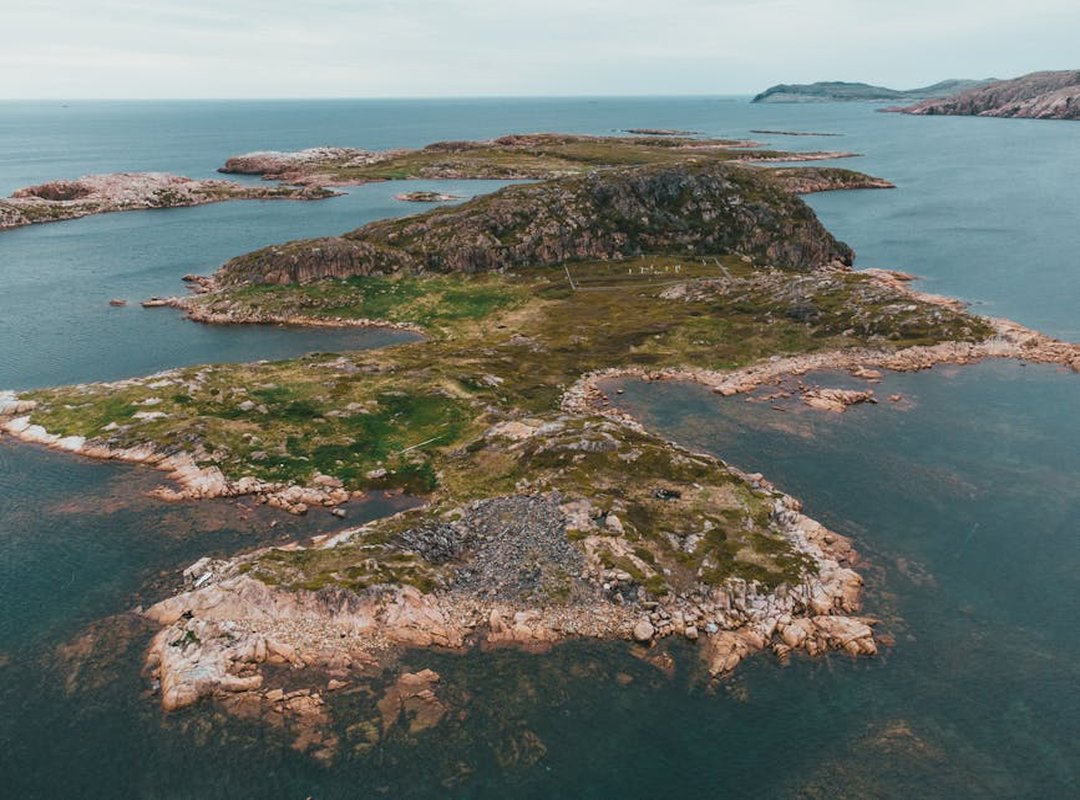
Yukevalo Island is a working marine research station. Not a resort. Not a museum.
Not a bird sanctuary pretending to be something else.
I stood on its north dock last October and watched technicians haul up sensor buoys from 400 feet down. That’s what happens here every day.
What Is Yukevalo Island For? It’s where scientists track deep-ocean currents before they hit the Gulf Stream. Real-time data.
No PR fluff. Just wires, salt-crusted laptops, and coffee-stained notebooks.
They study how warming waters shift plankton migration. That affects sardine runs. That affects fishing towns in Maine and Nova Scotia.
You feel that ripple.
The island hosts one of only three Atlantic labs calibrated to measure microplastic concentration in mesopelagic zones. (Yes, that’s the twilight layer (no) light, lots of jellyfish.)
It’s not open to tourists. You can’t book a stay. There’s no gift shop.
The closest thing to a landmark is a rusted NOAA weather vane shaped like a tuna.
The Width of Yukevalo Island is just under 1.7 miles (narrow) enough that wind whips across it like a slap. (You can see why that matters for sensor placement.) Check the exact width here
This isn’t about prestige. It’s about catching changes early. Before they become emergencies.
Local fishermen call it “the canary’s cage.” I like that better than any official mission statement.
No one’s building statues here. They’re measuring pH levels at 3 a.m.
And that’s enough.
What Else Lives on Yukevalo?
Yukevalo isn’t just a place you visit. It’s a place that breathes differently.
I stood on the black sand beach last October and watched puffins dive like tiny torpedoes. They only nest here between May and August. You won’t see them in December.
(Which is fine. I’d rather not freeze trying to photograph them.)
The island’s core is basalt (old) lava, cracked into hexagonal columns. One cliff face looks like a staircase built by giants. Locals call it “The Giant’s Staircase.” I don’t know why.
Maybe because it’s steep. Maybe because it’s weird.
There’s a stone hut near the lighthouse. No roof. Just walls and a fire ring.
Fishermen used it in the 1920s. Now teens sneak up there to smoke and watch the northern lights. (Yes, they show up here.
Not every night (but) often enough.)
Every June, villagers hold the Tide Singing. They stand at low tide and hum low notes into the sea caves. The sound bounces back warped and hollow.
It feels ancient. It feels necessary.
What Is Yukevalo Island For? Not one thing. Not even two.
It’s for puffins. For basalt. For singing into caves.
It’s also for you (if) you’re ready to walk slow and listen hard.
Yukevalo Isn’t Just a Dot on the Map
I’ve answered What Is Yukevalo Island For. No more guessing. No more vague brochures.
It sits off the southern coast. People lived there for centuries. Then left.
Now it’s not a resort or a base. It’s a quiet lab for scientists and a shield for endangered species.
The mangroves hold the shoreline. The old stone paths still show up in the dry season. And yes.
The coral reefs nearby are rebounding. Because of this place.
You came here with a question. Not “Where is it?” but “Why does it matter?”
That’s the real pain point. Feeling like some places exist just to confuse you.
They don’t.
Yukevalo matters because it works (without) fanfare, without crowds.
So now you know.
You can walk past that map in the library and see it differently.
Go look at a photo of the lighthouse ruins. Then read one field report from the marine team. Just two minutes.
That’s all it takes to feel the weight of what’s held there.
Do that today.
 Gavryth Lornquill