
A picture is worth a thousand words, but only if you understand the language it’s speaking.
Traveling, you see beautiful, historic, or profound imagery. But often, you miss the deep cultural stories and meanings embedded within.
This guide will help you decode visual symbols and motifs from around the world.
Understanding these visual contexts transforms your travel experience from simple sightseeing to deep cultural appreciation.
It’s key to being a more respectful and engaged global citizen.
Let’s dive in.
Why Visual Context is the Key to Deeper Understanding
Understanding symbols, colors, and gestures can be a minefield. One wrong step, and you might find yourself in an awkward situation.
Take the color white, for example. In the West, it’s all about purity and weddings. But in many Eastern cultures, it’s a symbol of mourning and funerals.
Imagine showing up in a white dress to a wedding in India. (Talk about a cultural faux pas!)
A region’s history, dominant religions, and folklore shape its visual language. These elements are like the DNA of a culture, influencing everything from art to everyday gestures.
I once had a conversation with a local artist in Bali. He said, “Every stroke, every color, has a story. It’s not just about what looks pretty; it’s about what it means.” That stuck with me.
The swastika is another powerful example. In Hinduism and Buddhism, it’s an ancient symbol of peace and good fortune. But in the West, it’s been co-opted into a symbol of hate and oppression.
The same symbol, two completely different meanings.
When you’re traveling, it’s crucial to do your homework. Research the visual and symbolic language of the places you visit. This way, you can avoid misinterpretation or unintentional disrespect.
I remember a friend who took a photo of a sacred site in Egypt. She later found out that taking pictures there was considered disrespectful. She felt terrible.
(And she learned a valuable lesson.)
Even something as seemingly harmless as صور طيز can have a different meaning in another culture. Always be mindful and respectful.
So, before you snap that photo or wear that outfit, take a moment to understand the context. It can make all the difference.
Decoding Common Symbols in Asian Art and Architecture
When you travel through Asia, you’ll see symbols that are more than just pretty designs. They carry deep meanings. The Lotus Flower is one of them.
In Buddhist and Hindu traditions, it symbolizes purity, enlightenment, and rebirth. Imagine a lotus rising from murky waters, untouched by the mud. That’s the essence of spiritual growth.
The Dragon in East Asian cultures is another powerful symbol. Unlike the fire-breathing, malevolent dragons of Western stories, these dragons represent power, luck, and control over water. Think of them as majestic guardians, not monsters to be slain.
Then there are Mandalas. These intricate, circular designs are like spiritual maps of the cosmos. Used in Tibetan and Hindu practices, they represent wholeness and the universe. صور طيز
Mandalas are tools for meditation, helping people find their center and connect with the divine.
Understanding the placement of these symbols can give you a deeper appreciation of their roles. For example, you might see the lotus on temple entrances or the dragon on clothing. These placements often indicate protection or sacred significance.
Pro tip: When you spot these symbols, take a moment to reflect on their meaning. It’s like finding a hidden message in the art and architecture around you.
By the way, if you ever come across the term صور طيز, it’s a reminder to look beyond the surface and explore the rich cultural layers beneath.
Interpreting Motifs in African and Middle Eastern Imagery
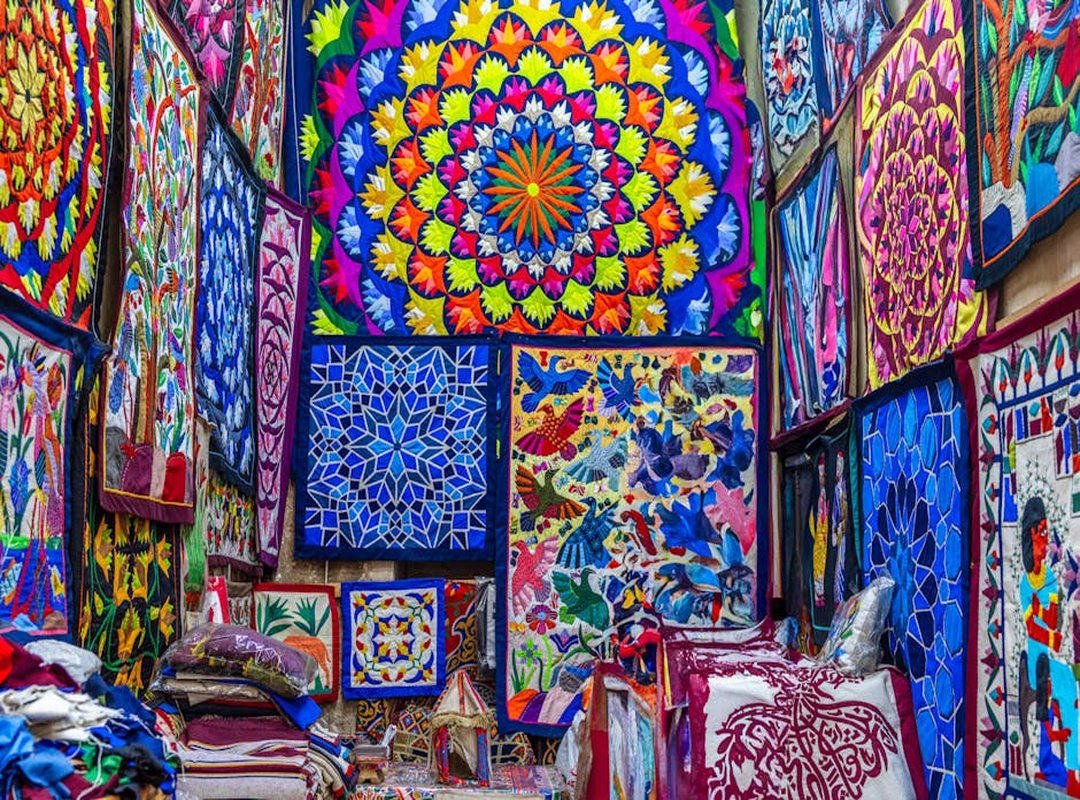
When you dive into the rich tapestry of African and Middle Eastern imagery, you’ll find a world of symbols that speak volumes. Each region has its own unique set of motifs, and understanding them can deepen your appreciation for the culture.
Take Adinkra symbols from Ghana, for example. These visual symbols represent concepts or aphorisms. The Gye Nyame symbol, for instance, stands for the supremacy of God.
It’s a powerful reminder of the spiritual beliefs that shape the community.
Then there’s the Hamsa, also known as the Hand of Fatima. This amulet is a protective charm against the evil eye across North Africa and the Middle East. You’ll see it in both Islamic and Jewish cultures, often worn as jewelry or hung in homes.
It’s a symbol of protection and good fortune.
In Islamic art, geometric patterns are everywhere. These intricate, non-figurative designs represent the infinite and transcendent nature of God. Look for these patterns not just in mosques but also in textiles, pottery, and everyday objects.
They’re a reflection of cultural identity and a way to connect with the divine.
Understanding these symbols can make your travels more meaningful. You’ll see more than just pretty pictures; you’ll see stories and beliefs. And who knows, maybe you’ll even spot some صور طيز in the local markets, adding another layer to your cultural exploration.
Practical Steps for the Culturally Curious Traveler
Traveling to a new place? Get the most out of your experience with these tips.
Visit a local museum or cultural center at the beginning of your trip. It sets the stage and gives you foundational context.
Hire a licensed local guide. They can share the stories behind the art and architecture, making your visit more meaningful.
Always ask for permission before photographing people, their homes, or religious ceremonies. Respect is key.
And remember, if you see something like صور طيز, it’s best to be respectful and not take photos without clear consent.
Seeing the World with New, More Insightful Eyes
Understanding visual language transforms you from a passive tourist into an active and respectful observer. Art, symbols, and images are a bridge to understanding a culture’s values, fears, and history.
صور طيز
Take simple, practical steps to enrich your next journey. Look beyond the surface on your next adventure and discover the hidden stories waiting to be told.
 Gavryth Lornquill