
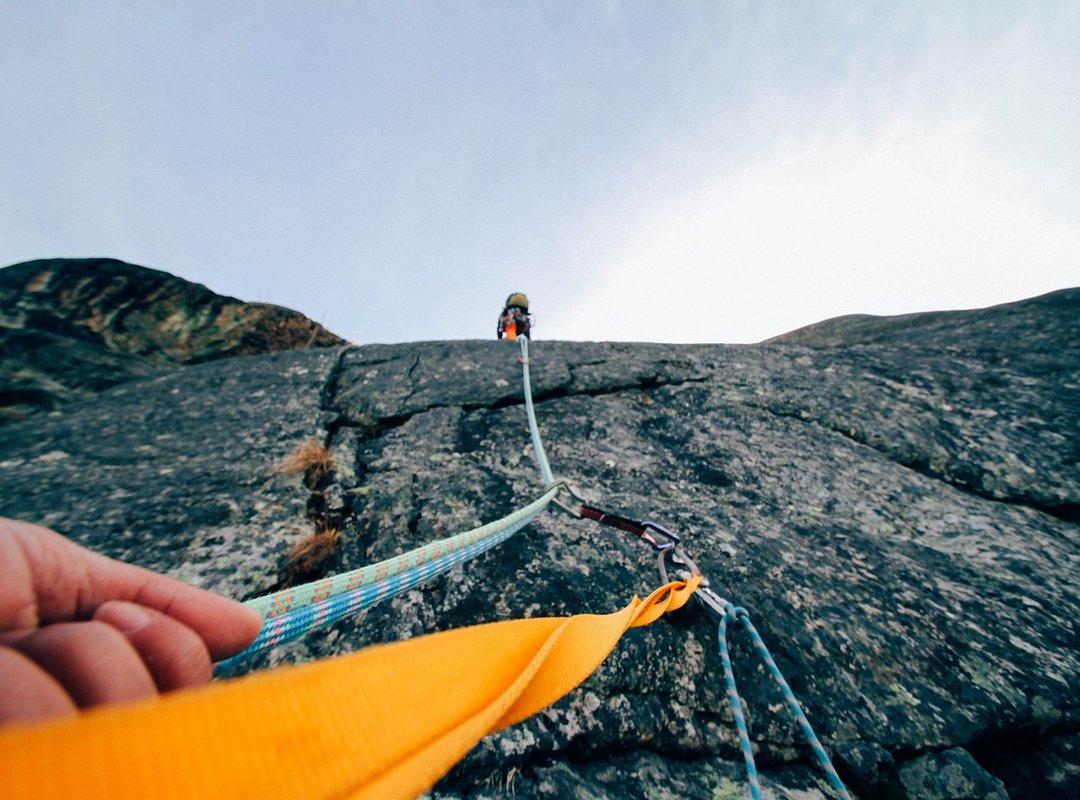
The mountains call to us. Their landscapes are breathtaking, but gearing up for an adventure can feel overwhelming. You’re not alone if you stand there, staring at a wall of gear, unsure of what you really need.
I’ve been there. I remember the confusion and frustration that comes with selecting the right equipment. I’ve planned countless hiking trips, facing everything from rocky terrains to unpredictable weather.
I learned what works and what doesn’t.
This guide shines a light on mountain trek gear. I’ll break it down into simple terms. You’ll get clear, actionable recommendations to keep you safe and comfortable on the trails.
Whether you’re a beginner or someone who’s hit a few peaks, I want to transform how you approach your gear. I want you to feel confident and prepared for your next adventure.
By the end of this guide, you’ll know exactly what you need for your mountain trek. Let’s gear up and tackle those trails together.
Why Mountain Trek Gear Is a Game Changer
Mountain environments aren’t your typical stroll in the park. They’re unpredictable. One minute you’re basking in the sun; the next, you’re battling a cold wind.
Ever tried navigating rocky terrain without proper boots? Hello, blisters.
It’s wild. That’s why specialized gear matters. Without it, you’re risking hypothermia, injury, or worse.
I’ve seen it happen. A buddy of mine thought he could tackle a mountain with his day-hike sneakers. He limped for days.
And if you’re lost without a map or a GPS device? Forget it. You’re asking for trouble.
Investing in mountain trek gear isn’t just smart; it’s important. It’s your ounce of prevention. Sure, it might cost a bit upfront, but what’s the price of safety and comfort?
When you’re equipped right, the mountains aren’t just a challenge (they’re) an adventure.
Want to avoid rookie mistakes? Know what’s worth bringing. Check out this guide for more takeaways.
Trust me, nothing ruins a trek faster than being unprepared. So get the gear, and turn potential discomfort into the memory of a lifetime.
Gear Up: Backpacks, Boots, and Shelter
Choosing the right backpack for your mountain trek isn’t just about storage. It’s about comfort, accessibility, and durability. Ever tried jamming everything into a day pack for a multi-day trip?
Not pretty. You need to think about trip length and what you’ll carry. Look for adjustable straps and ventilation.
Trust me, the wrong fit can ruin your adventure (and your back).
Boots? They’re not just for stomping around. Proper hiking boots are like your best friend in the mountains.
You want ankle support and rigidity in the sole. Waterproofing is non-negotiable. And grip?
Think of it as your insurance against slipping on wet rocks. Lightweight hikers, mid-cut, or full-grain leather: they all have their place. But make sure they fit right, and break them in before your trip.
Now, let’s talk shelter. For overnight trips, a tent is your safe haven. But not just any tent.
Freestanding vs. non-freestanding, 3-season vs. 4-season (each) has its purpose. Weight and ease of setup matter. Consider a tarp or bivvy sack for something lighter.
Always check weather resistance. Pack smart, and your mountain trek gear will keep you safe and dry.
Layering for Success: Conquer the Peaks
If you’re tackling mountain hikes, layering is your secret weapon. The base layer is where it all begins. It wicks away moisture, keeping you dry.
Personally, I’ve found merino wool to be a game-changer. It fights odor and keeps you warm. Synthetics?
Great for quick drying and durability. Choose your weight. Lightweight for warmer days, midweight when it’s colder.
Now, the mid layer. This is your insulation hero. Fleece is breathable and dries fast.
But sometimes, a puffy jacket is my go-to. Down fill keeps you toasty, but synthetic is better for wet conditions. It’s all about the warmth-to-weight ratio, folks.
Finally, the outer layer (or shell). This is your shield against wind and rain. I swear by waterproof, breathable materials like Gore-Tex.
Look for features like hoods and adjustable cuffs. Pit zips are a bonus for ventilation.
Oh, and don’t forget about pants. Durable, quick-drying, and convertible options are lifesavers. Socks matter too.
Prevent blisters and cushion your steps. Need more gear tips? Check out greenhorn gear: a newbie’s thru-hiking gear list.
Mountain trek gear isn’t just for pros. It’s for anyone ready to conquer the peaks.
Trekking Essentials: Get through, Stay Safe, and Comfortably Move
Let’s talk navigation tools. Sure, GPS and apps are great, but ever had your phone die mid-trek? I have.
Redundancy is key. A good old map and compass won’t fail you. Learn to use them.
Electronics are handy, but they can let you down (always at the worst moment, right?).
Safety gear is non-negotiable. A basic first-aid kit? Not enough.
I pack extra bandages, antiseptic wipes, and a whistle. Ever tried navigating in the dark without a headlamp? Don’t.
Opt for one with decent lumens and battery life. And for those remote areas, a personal locator beacon is a lifesaver.
Hydration’s next. Water bottles, hydration reservoirs, filters (all) have their place. I never hit the trail without a filter.
It’s peace of mind knowing you can safely drink from streams. Pro tip: always carry more water than you think you’ll need.
Comfort matters too. Trekking poles are underrated. They take stress off your knees, especially on descents.
And let’s not forget sun protection and insect repellent. A sunburn or bug bites can ruin your day faster than anything else.
Craft a personalized ’10 Essentials’ list. Tailor it to your trek’s conditions. Mountain trek gear means being prepared for anything.
Beyond the Basics: Mountain Gear Secrets
Taking on mountain terrain is no joke. You need specialized mountain trek gear for the challenges that come with these landscapes. Let’s talk snow.
Crampons or microspikes? Microspikes work for icy trails (unless you’re scaling a glacier. That’s crampon territory).
And don’t underestimate an ice axe. It can save your life in a steep slip.
What about camping overnight? A down sleeping bag packs smaller but loses its warmth when wet. Synthetic’s bulkier but stays toasty when damp.
Pair it with a sleeping pad that has a decent R-value (it’s) not just a mattress, it’s your barrier from the cold ground.
Cooking in the wild feels like art. Canister stoves are compact, but liquid fuel stoves handle cold better. And let’s not forget food planning.
In bear country, you need bear canisters for storage. A mutilated backpack isn’t fun, trust me.
Wildlife is another consideration. Bear spray is non-negotiable in certain areas. Keep your food hung or stored properly.
Regulations differ by location, so always check before you trek. If you’re gearing up for a mountain adventure alone, here’s a thought: Prepare Solo Adventure. Research saves you from nasty surprises.
Ready for Adventure?
With the right knowledge and gear, mountain hiking shifts from daunting to exhilarating. I know how confusing mountain trek gear can be. This guide has clarified what you need to hit the trails safely and enjoyably.
Thoughtful preparation is key for unforgettable experiences in the wild.
So, what’s stopping you? Start assembling your gear list now. Research your next mountain destination and plan your adventure.
Take the first step into nature’s wonders. Your journey awaits. Get out there and make it happen.
You won’t regret it. Adventure is calling. Answer it.
 Gavryth Lornquill